A space dedicated to transdisciplinarity has just opened at the FdS: BILL, short for Bioinformatics Learning Lab

With support from MUSE (Take-Off#2) and the Faculty of Sciences at Montpellier, an innovative interdisciplinary learning lab is being established to encourage interaction among students from different academic programs by combining their skills.
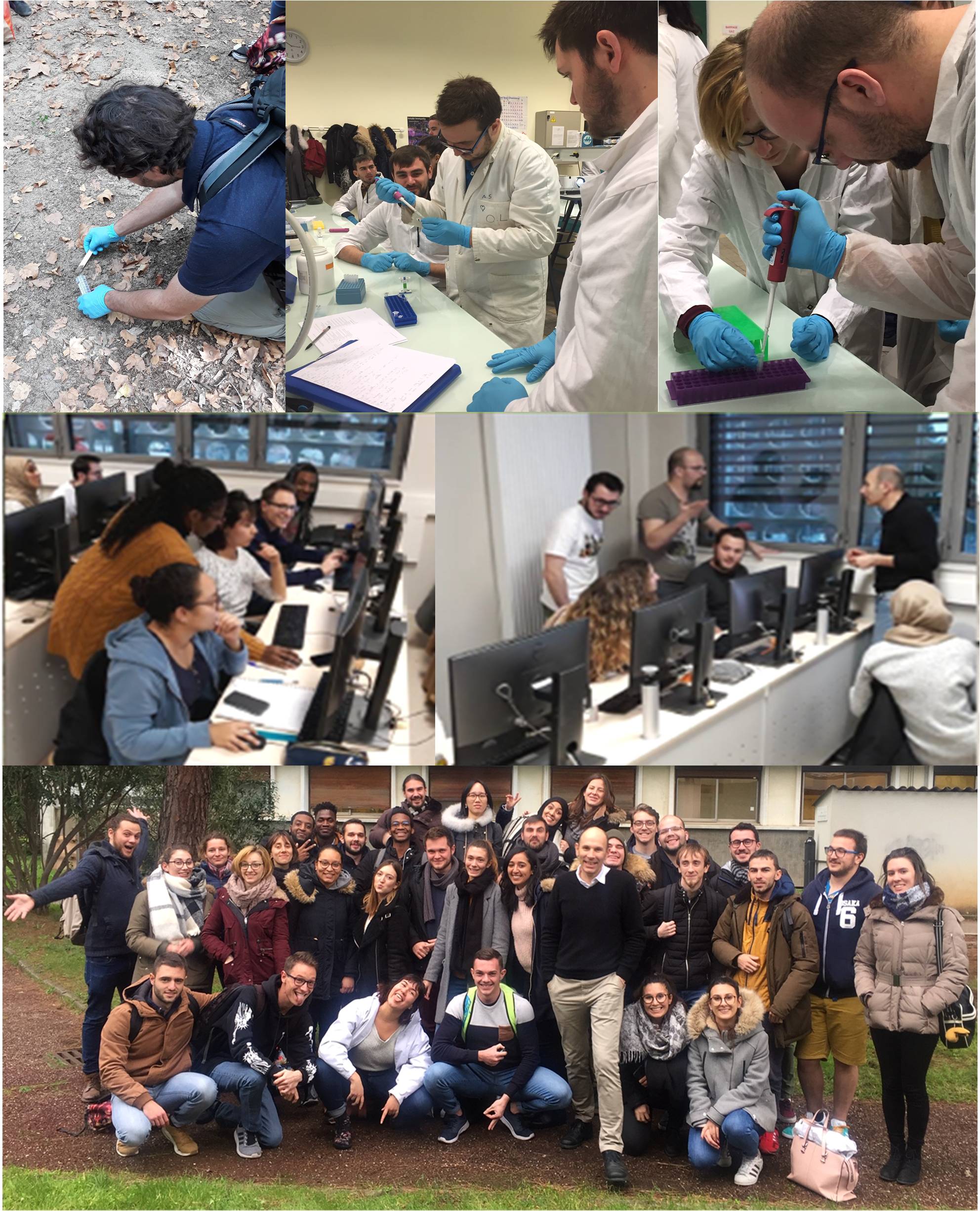
 To this end, a teaching team (Anna-Sophie Fiston-Lavier/Department of Computer Science, Anne-Sophie Gosselin/Department of Biology—Mechanisms of Life, Mélanie Debiais-Thibaud/Department of Biology and Ecology, and Jean-Christophe Avarre/IRD-ISEM researcher) is actively working to establish a collaborative space dedicated to the extraction, sequencing, and analysis of DNA from samples collected in the field or obtained from laboratory experiments. This space consists of molecular biology lab rooms and bioinformatics rooms—all of which are modular and innovative—located in the new Building 35 of the Faculty of Sciences.
This space is designed to encourage and facilitate creative teaching practices, foster collective intelligence, and empower students to take an active role in their education, with a focus on collaborative projects involving students from programs that are currently too siloed (Ecology, Microbiology, and Bioinformatics). In this context, the BILL project aims to strengthen transdisciplinarity by connecting several programs within the Faculty of Sciences and by breaking down the barriers between the skills and knowledge of students and faculty.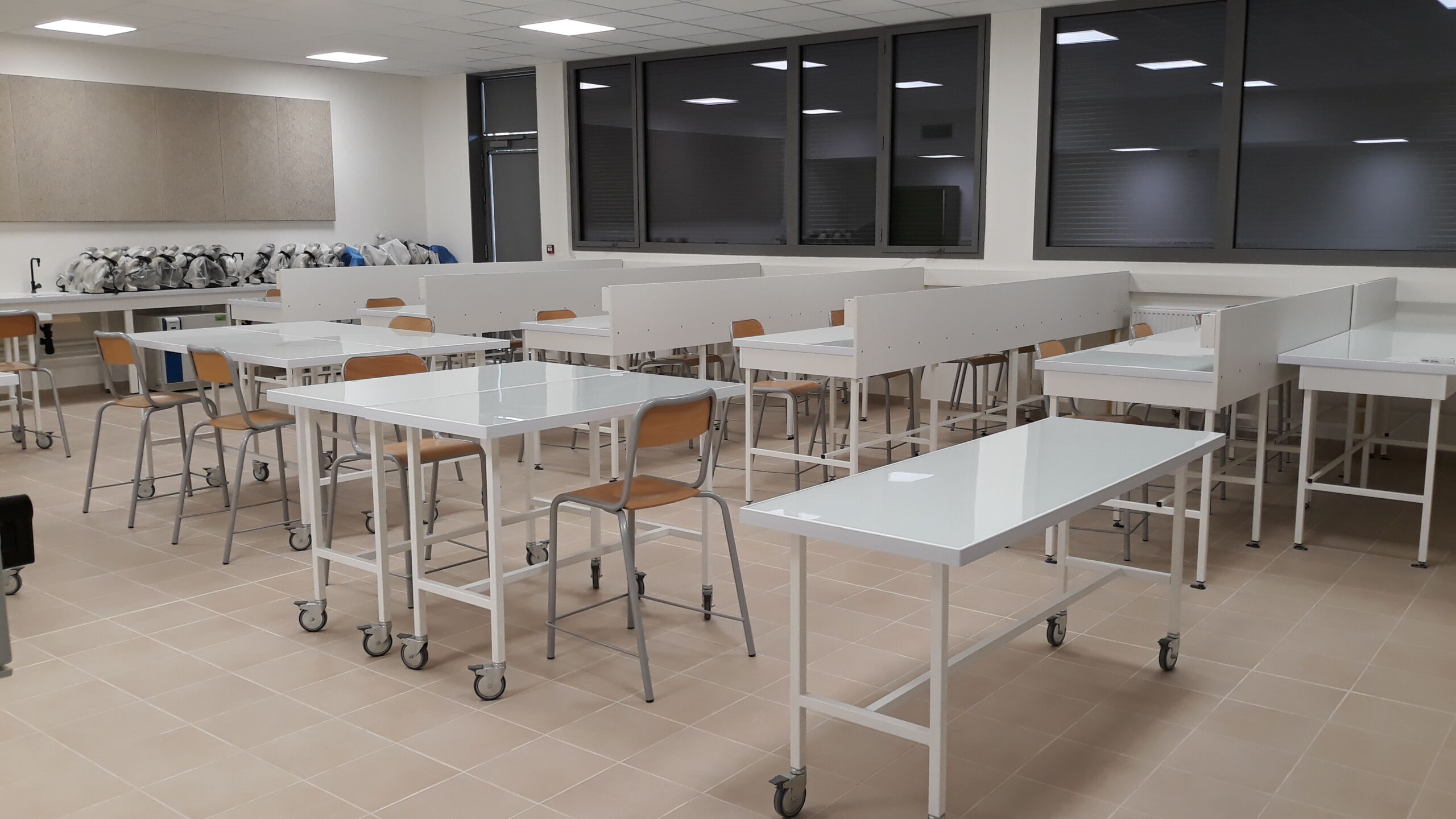 In this dedicated space, undergraduate and graduate students from three academic departments (Computer Science—Master’s in Computer Science and Data Science (BCD) with a concentration in Bioinformatics; Biology: Mechanisms of Life—Master’s in IMHE; and Biology and Ecology—Bachelor’s in EBO/EDEN) will generate and analyze biological data themselves to collaboratively address a single scientific question. The dynamic, multidisciplinary teaching team—composed of faculty members, researchers, and technicians—will guide them through the process of publishing their findings in international scientific journals and disseminating their results through conference presentations and outreach to the general public.
The BILL Teaching Team