Newsletter: Focus on Land, Water, and the Environment
5 months in Hanoi for an unforgettable experience
After spending a semester in Hanoi during their first year of the master’s program, Maverick, Corentin, Laure, Lorraine, and Thomas are continuing their studies in the second year of the Water Sciences master’s program.
These five months at USTH (University of Science and Technology of Hanoi) provided them with a wonderful life experience, combined with the opportunity to study hydrology and oceanography abroad in a different setting (classes taught in English, group projects with Vietnamese students, etc.).
4L Trophy
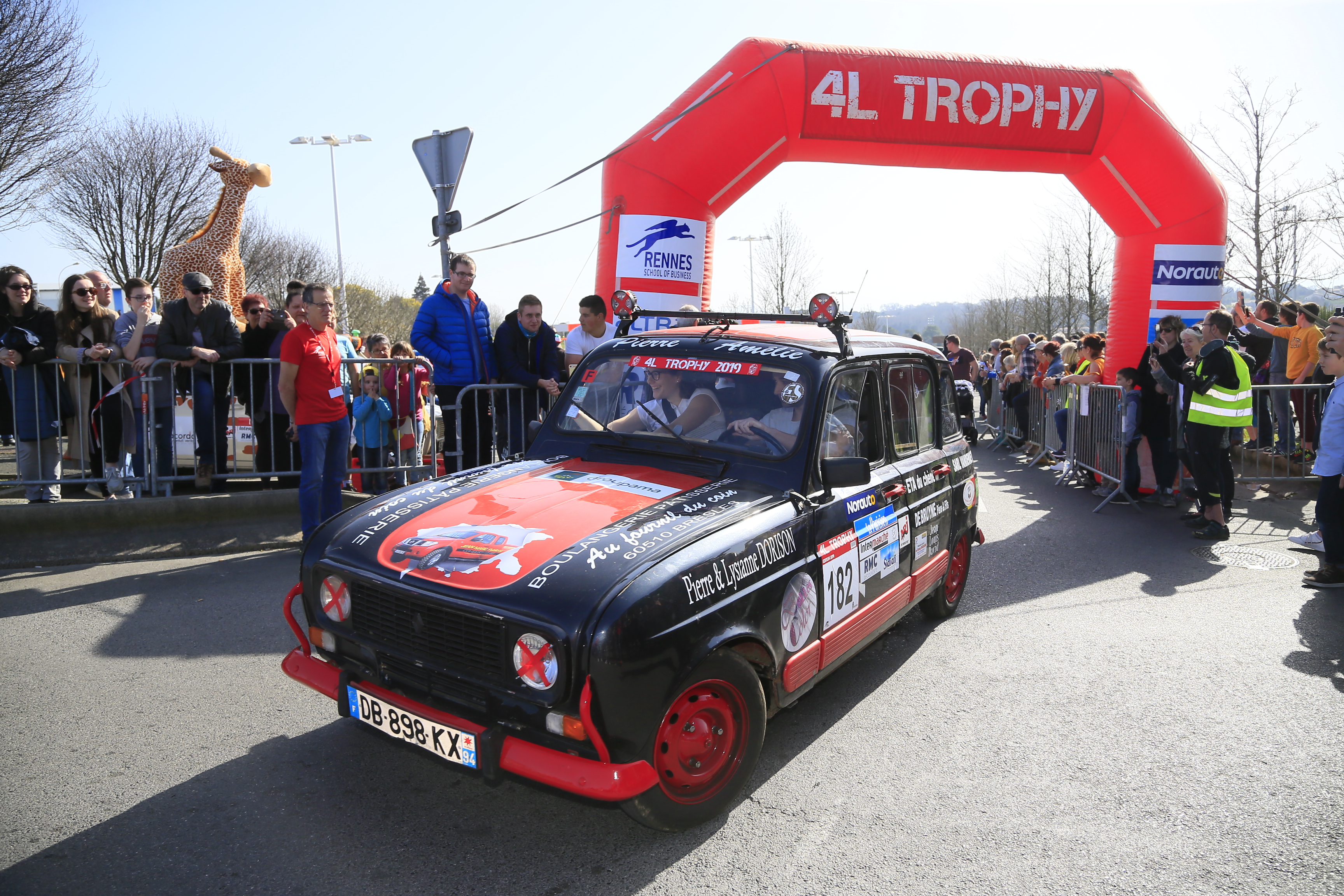
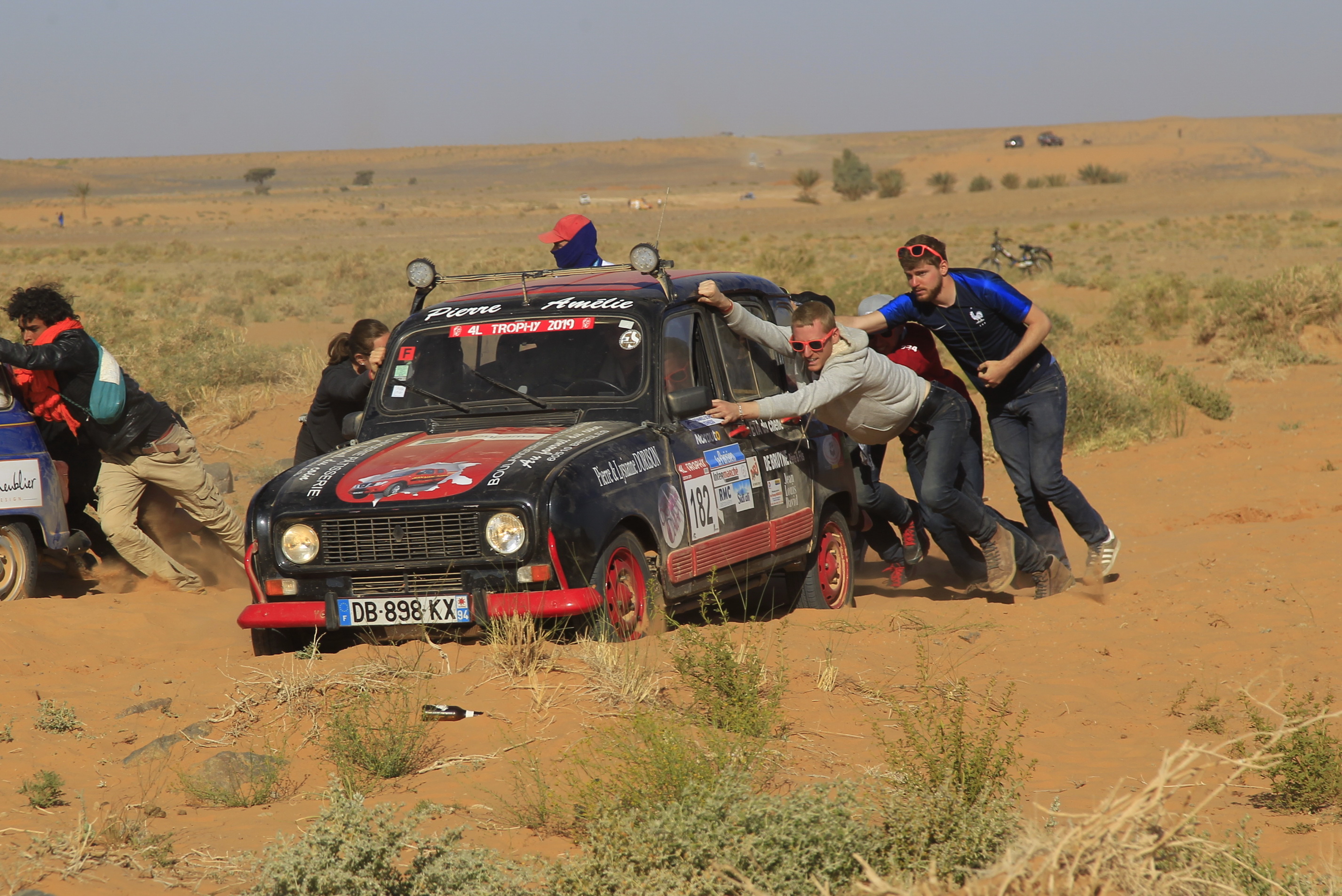
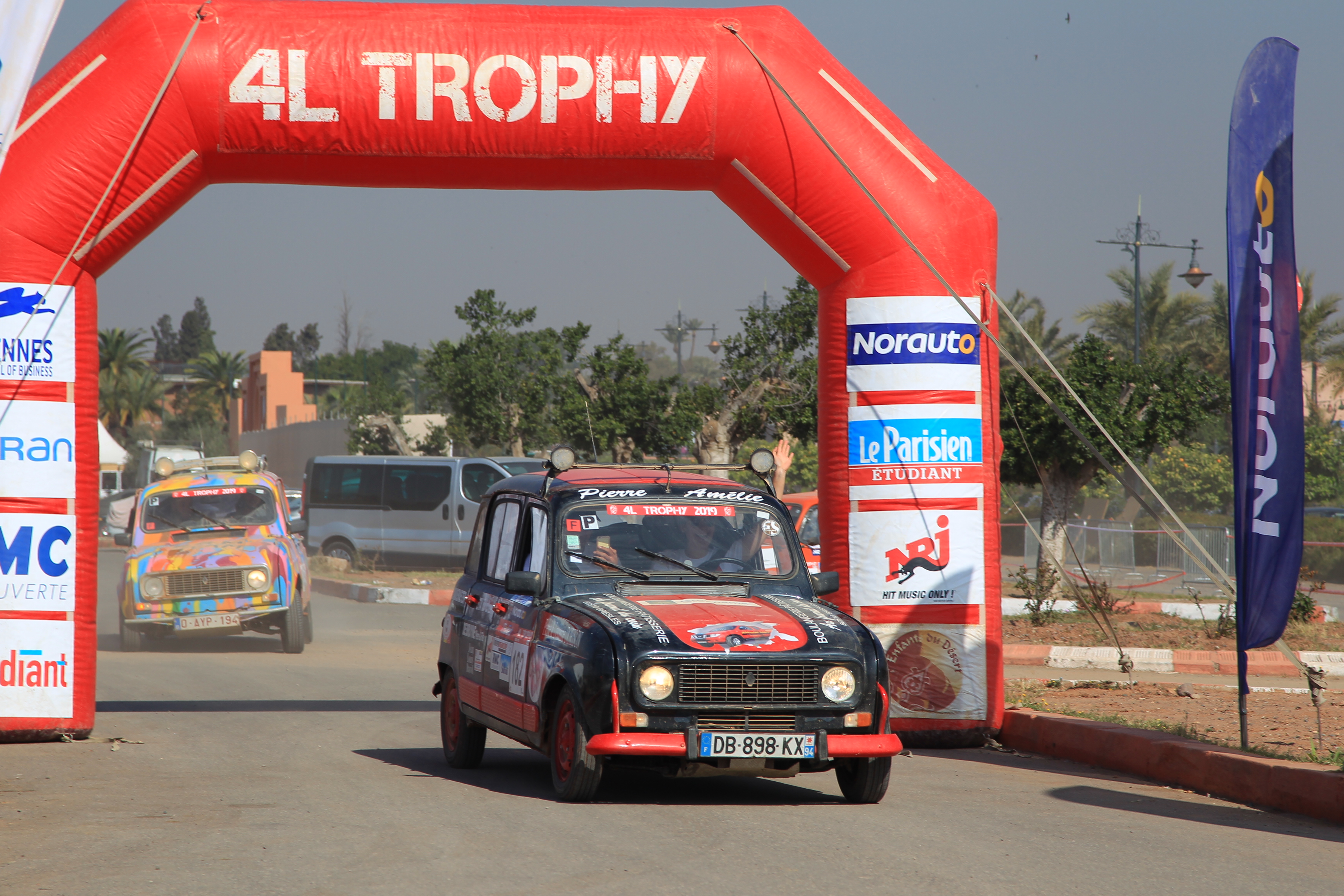
No podium finish for our Master’s 1 students in Water Sciences, but Amélie and Loïc had a wonderful experience in Morocco during the 4L Trophy, which took place from February 21 to March 3, 2019. This humanitarian rally aims to help Moroccan children through the “Enfants du désert” association by collecting donations (school supplies, sports equipment, medical supplies, etc.) and then transporting them to Morocco in 4L cars. The journey began in Biarritz with more than 1,000 4Ls, crossing Spain to the Strait of Gibraltar and taking a ferry to Morocco. Then came the adventure on Moroccan soil, covering kilometer after kilometer to Marrakech with a compass and “road book” in hand: an opportunity to meet wonderful people and help Moroccan children.

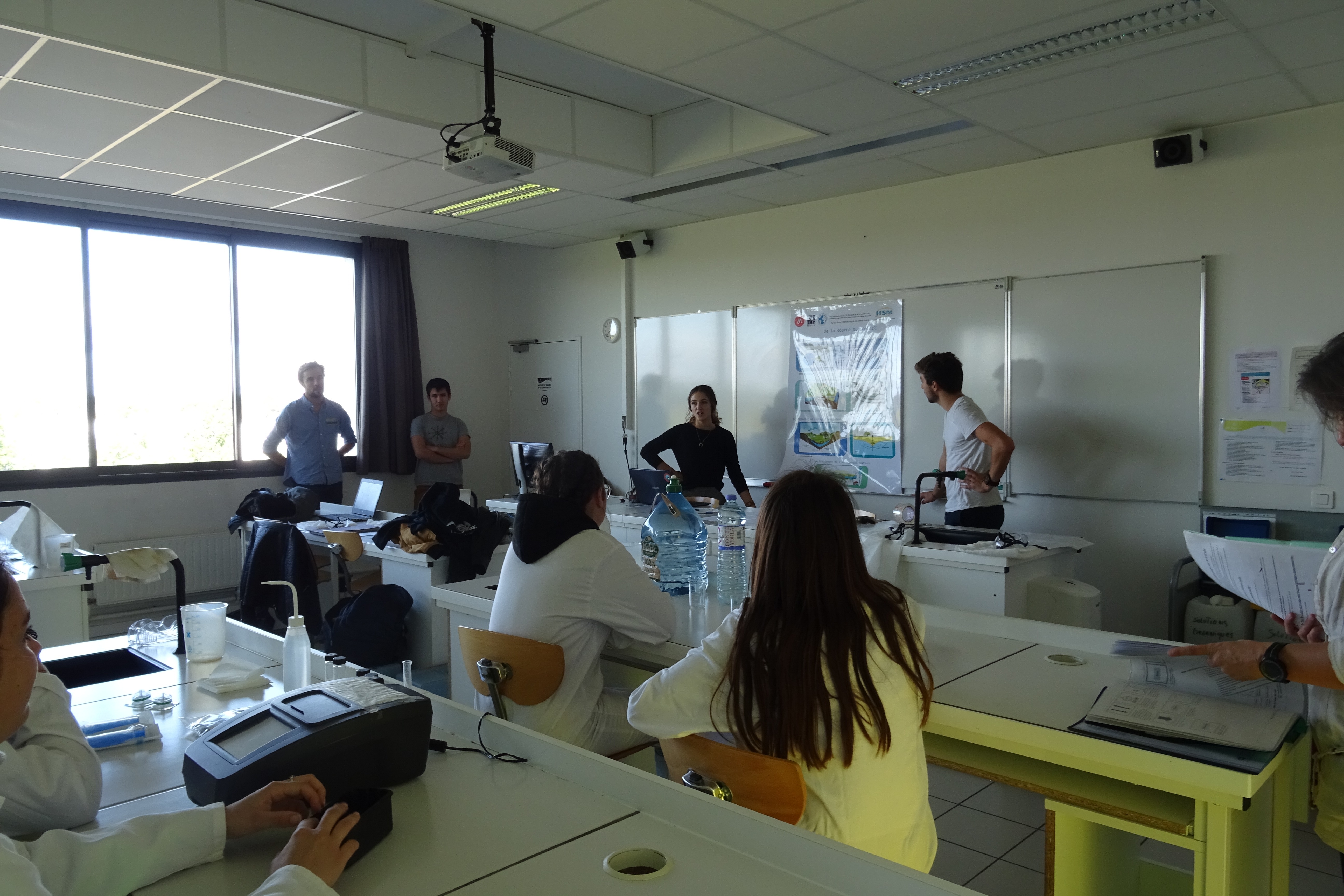
Presentation of a workshop to a senior science class
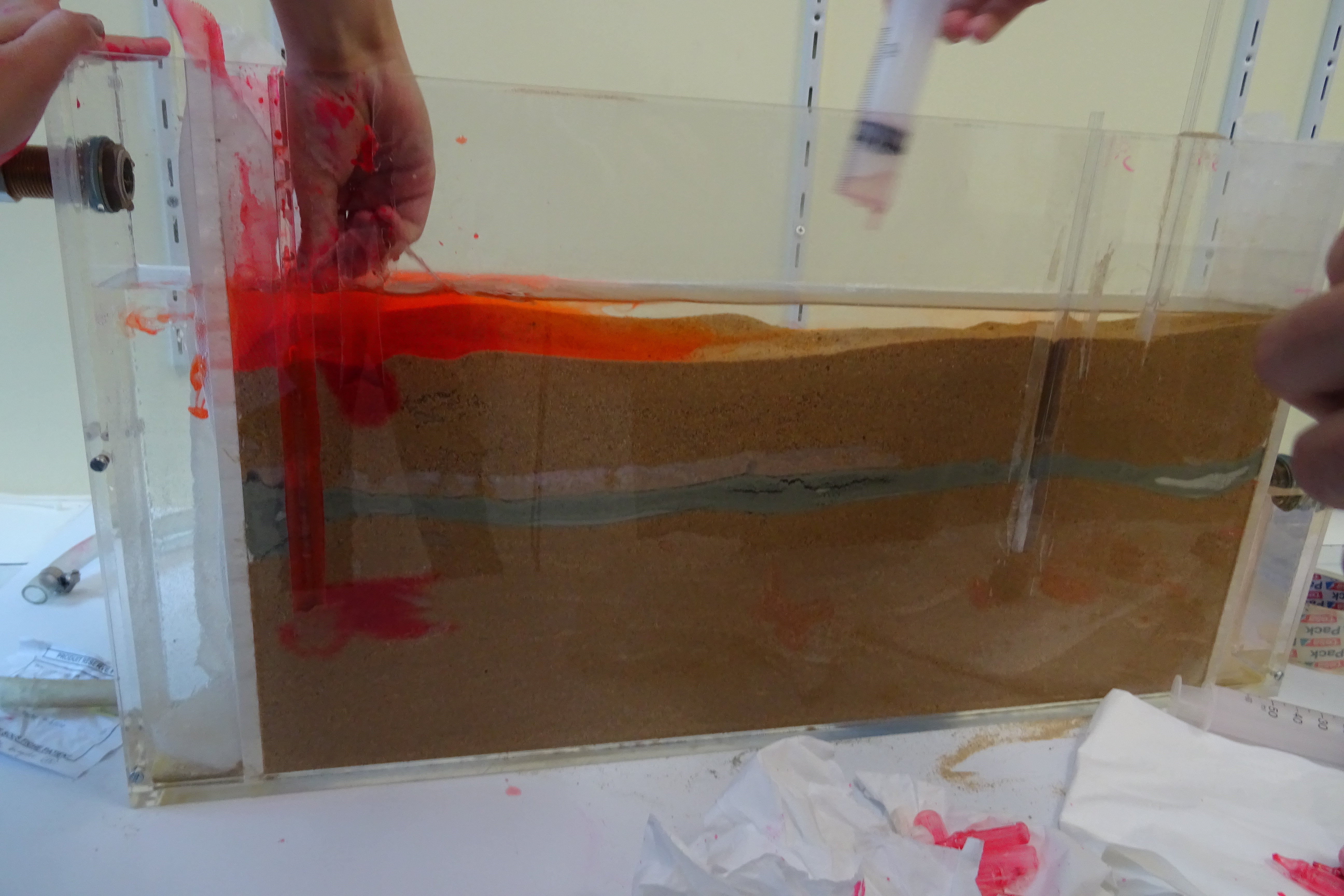
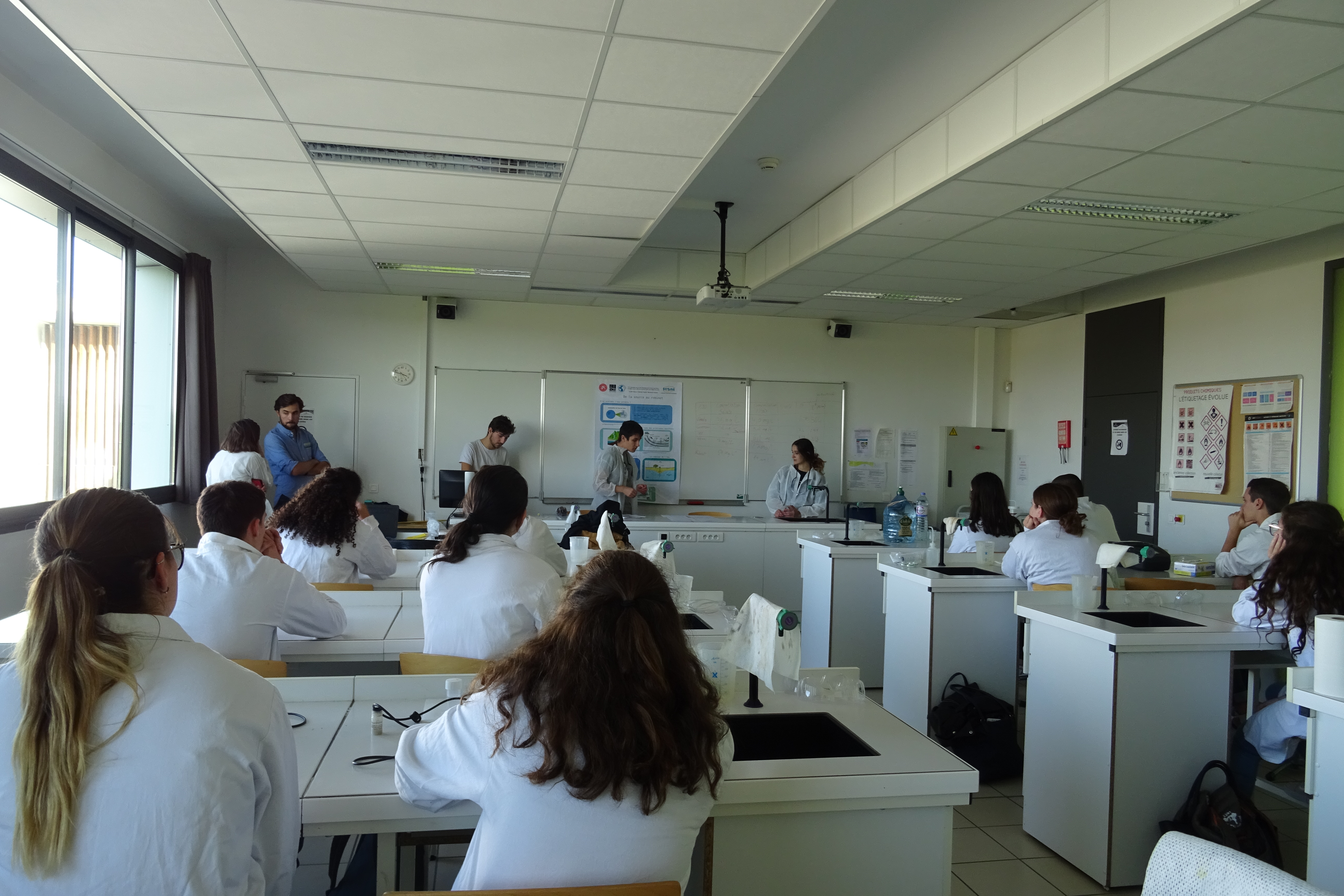
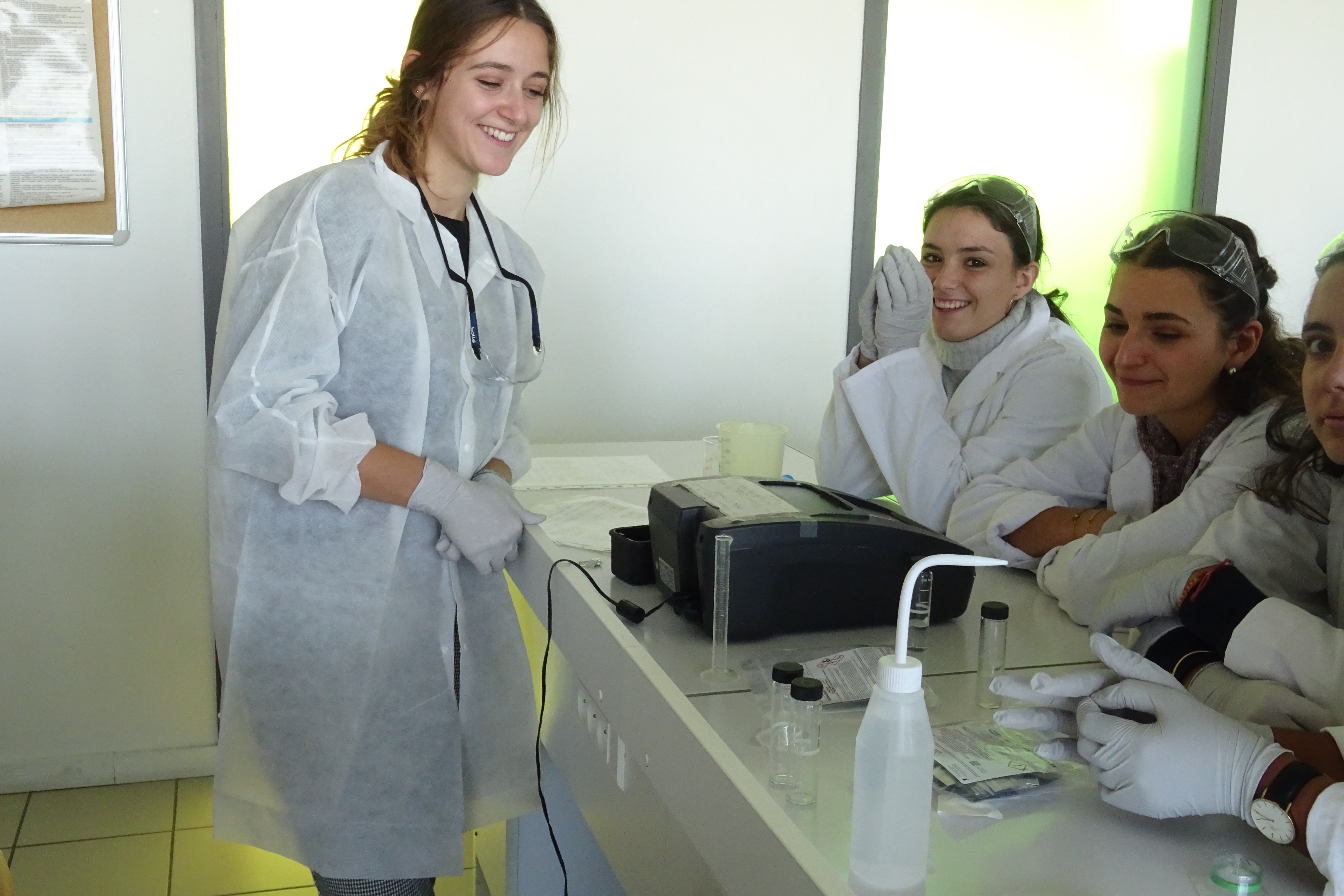
In mid-October, as part of their Supervised Independent Project (TPE), third-year Earth and Water Sciences students presented a workshop on the topic of water to a senior science class at the Victor Hugo High School in Lunel. The session addressed issues of water resources and water quality using a groundwater model and chemical analyses. This initiative was supervised by Marine Rousseau and Yohann Cousquer, faculty members in the Earth, Water, and Environment Department of the Faculty of Sciences at the University of Montpellier. Franck Perdieu, a technician in the department, provided logistical support, notably by constructing the groundwater model prior to the workshop.
Field Geology Courses
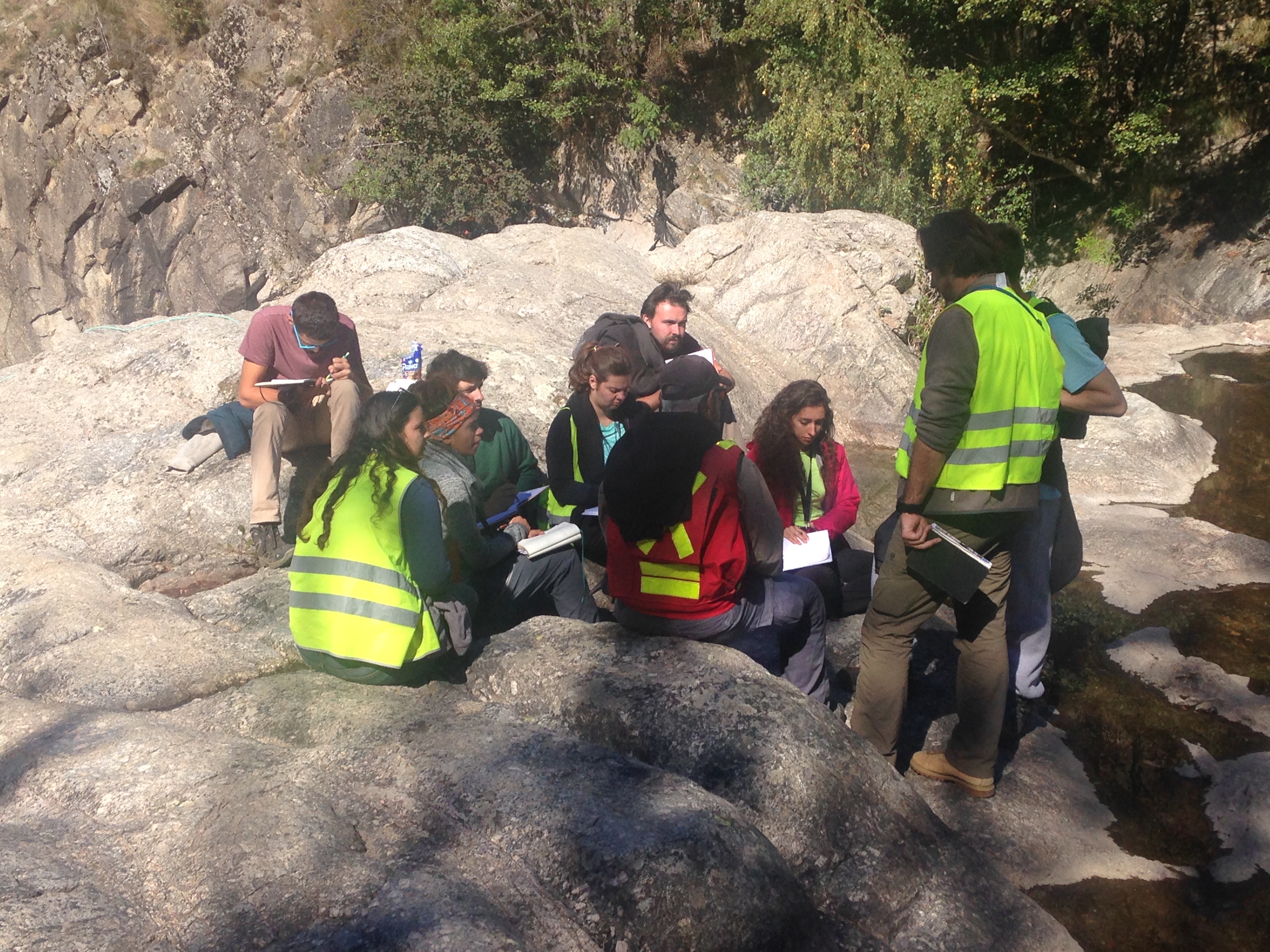
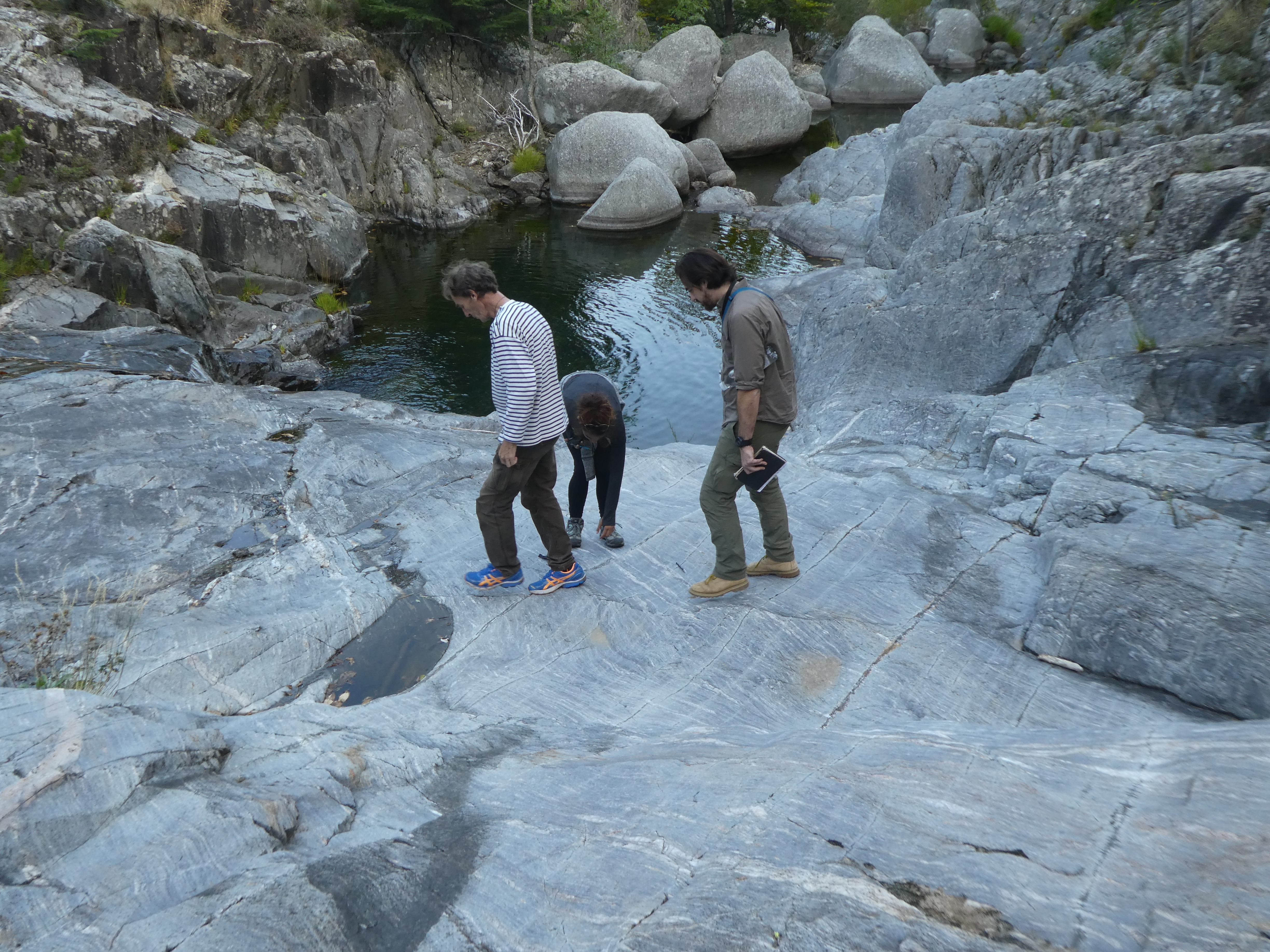
1. Field geology course for M2 STPE students (Earth, Planetary, and Environmental Sciences—Exploration and Reservoir Geology track) near the Mont Lozère Granite. Alain Chauvet explains the formation of gold-rich ores as a result of the region’s geodynamic evolution 300 million years ago.

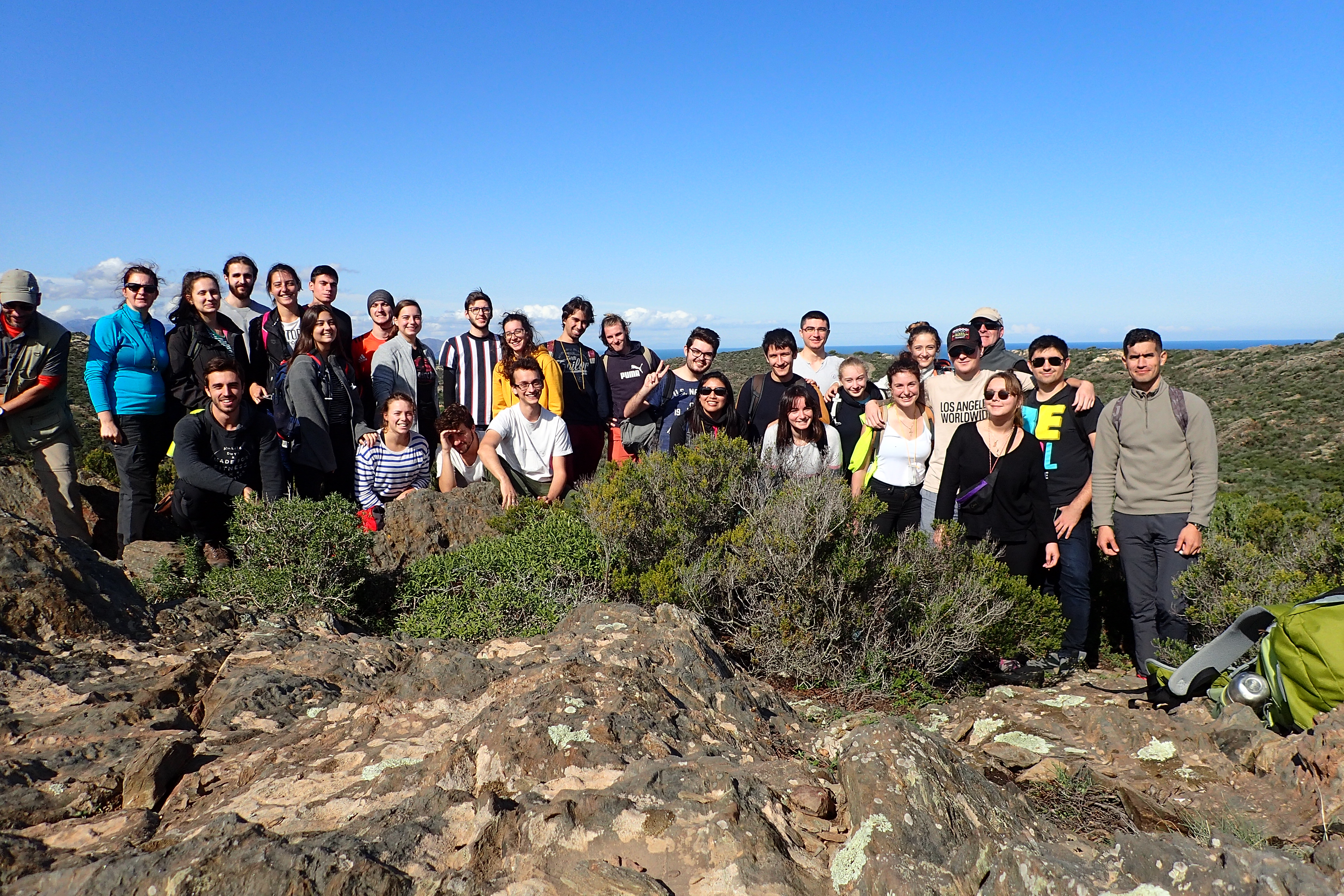
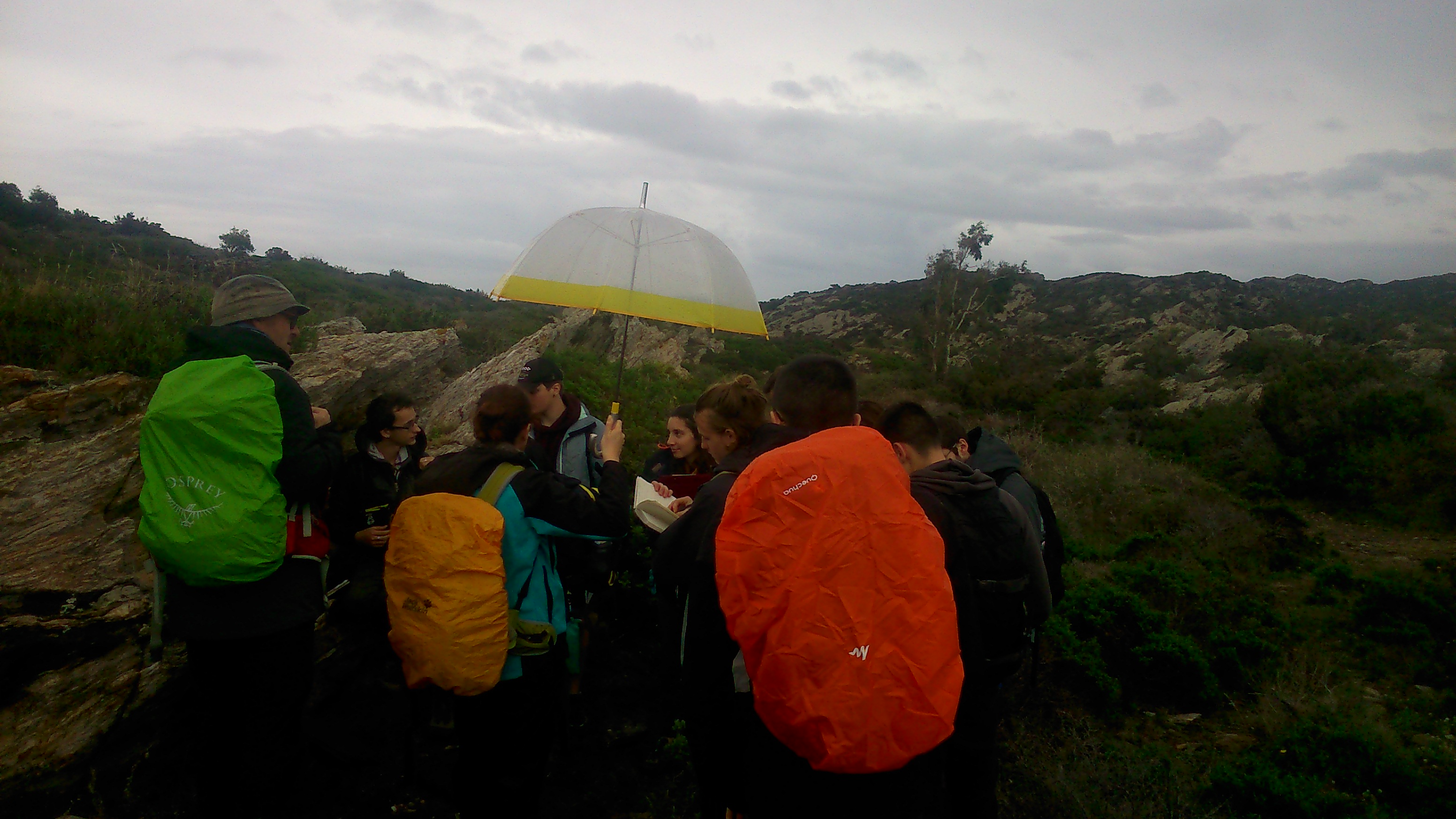
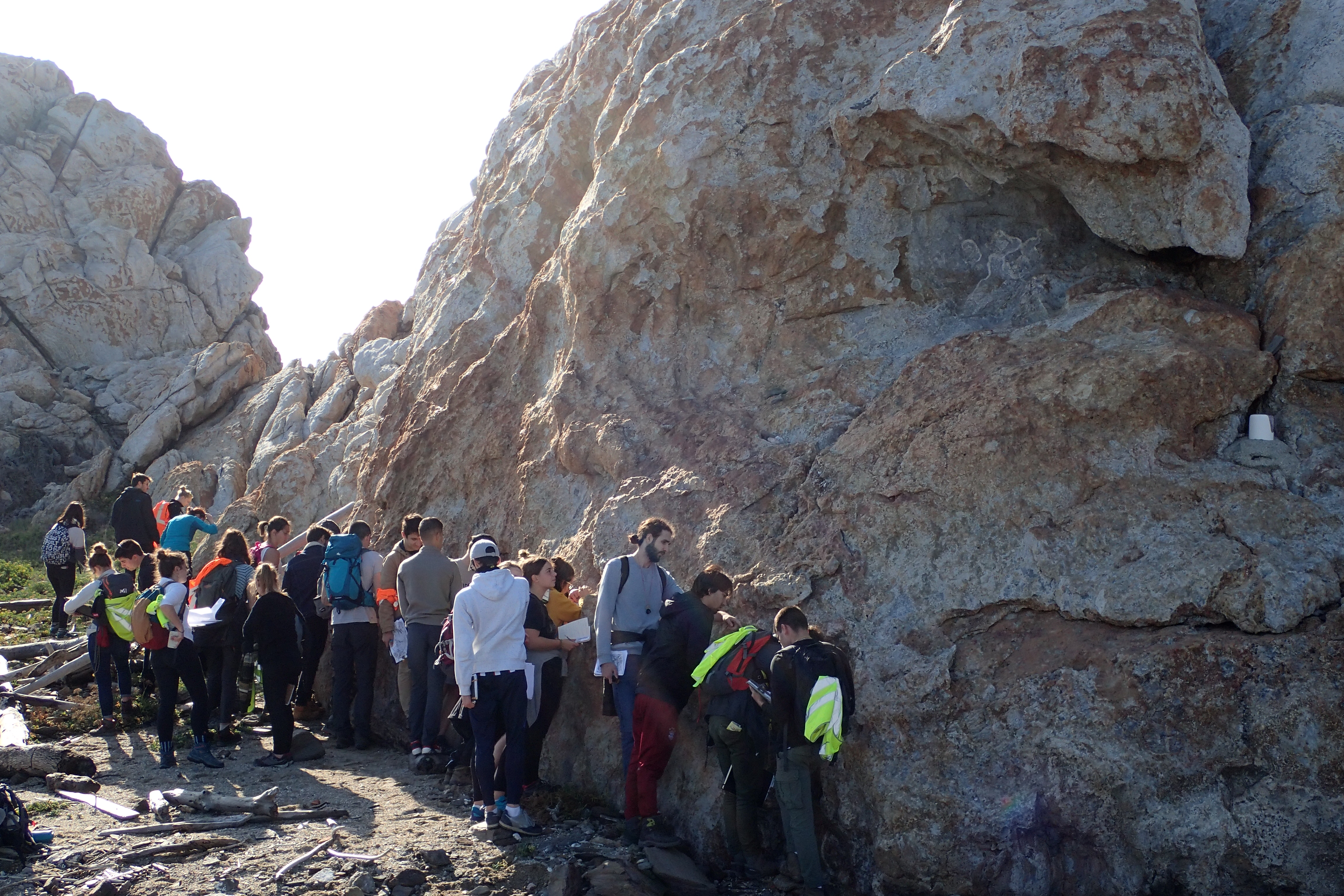
2. Study of rocks in the rain and in the sun by third-year Earth and Water Sciences (STE) students as part of a field internship at Cap de Creus in Spain, near Dalí’s house. Internship supervisors: Emilien Oliot, Fleurice Parat, Frédéric Gueydan (Department of Earth, Water, and Environment).
Renovated facilities
Renovation, remodeling, and bringing classrooms in Building 23 (reserved exclusively for teaching) up to safety standards to better accommodate and educate our students.
This work was supervised and carried out by Franck Perdieu, a technician and facilities manager in the Earth, Water, and Environment Department, with assistance from the Faculty of Sciences.
- Room STP 12 was redesigned with the help of Serge Conrad (Hydrosciences Montpellier) to accommodate about 20 computer stations arranged along the walls, allowing it to serve a dual purpose as either a regular classroom or a computer lab.
- Room STP 16 has been expanded to accommodate more than 20 students. It now serves a dual purpose: on the one hand, it is used for experimental activities in hydrology and hydrogeology (such as water flow in sand reservoirs, measurement of flow rates and chemical concentrations, etc.), and on the other hand, it functions as a traditional lab section. The expansion of this room thus makes it possible to consolidate the other experimental facilities of the Earth-Water-Environment Department into a single location, such as the augmented reality model used to simulate volcanic flows. It is now more accessible for showcasing all of our analog models during the Faculty of Sciences’ Open House events.
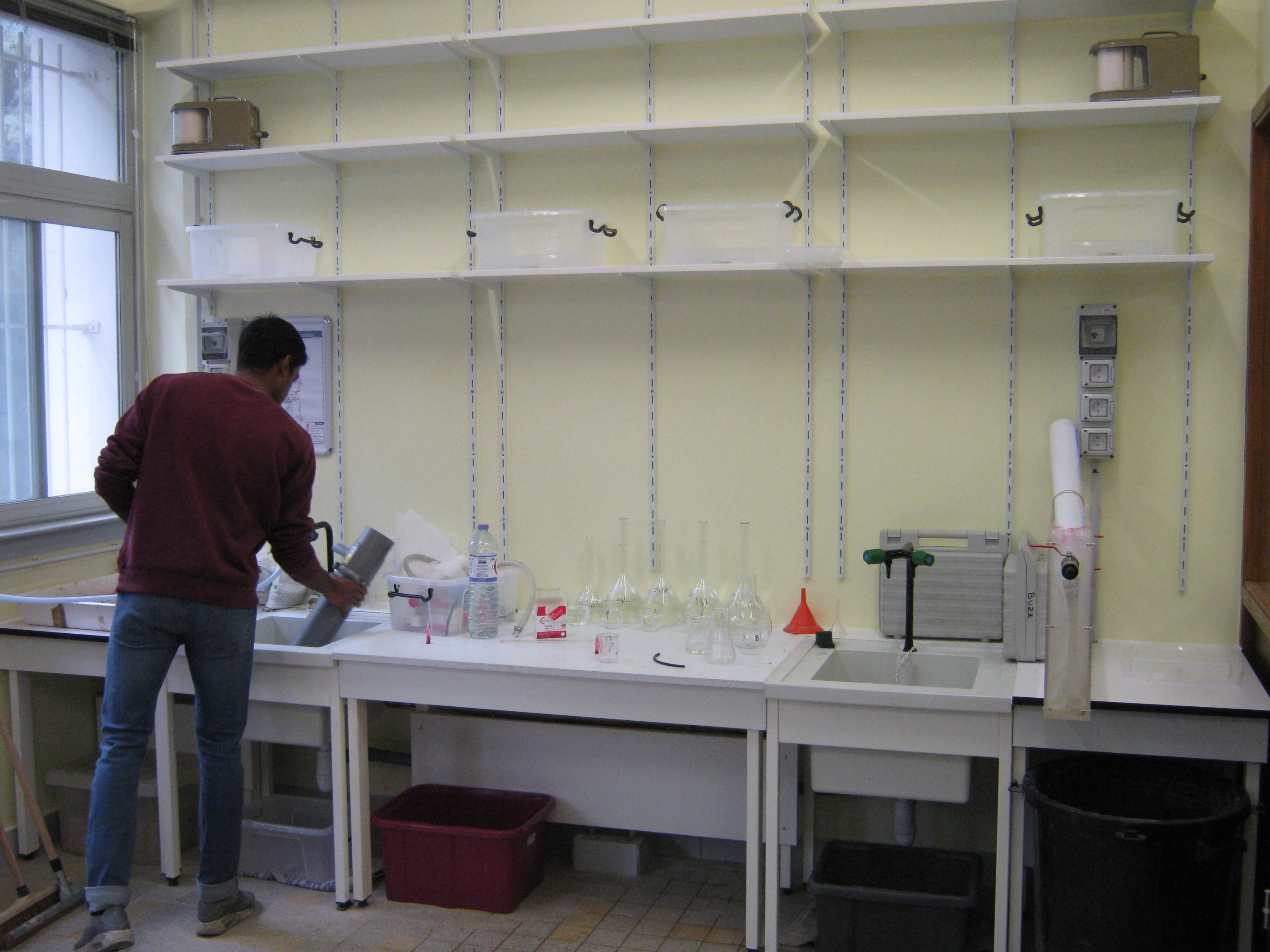
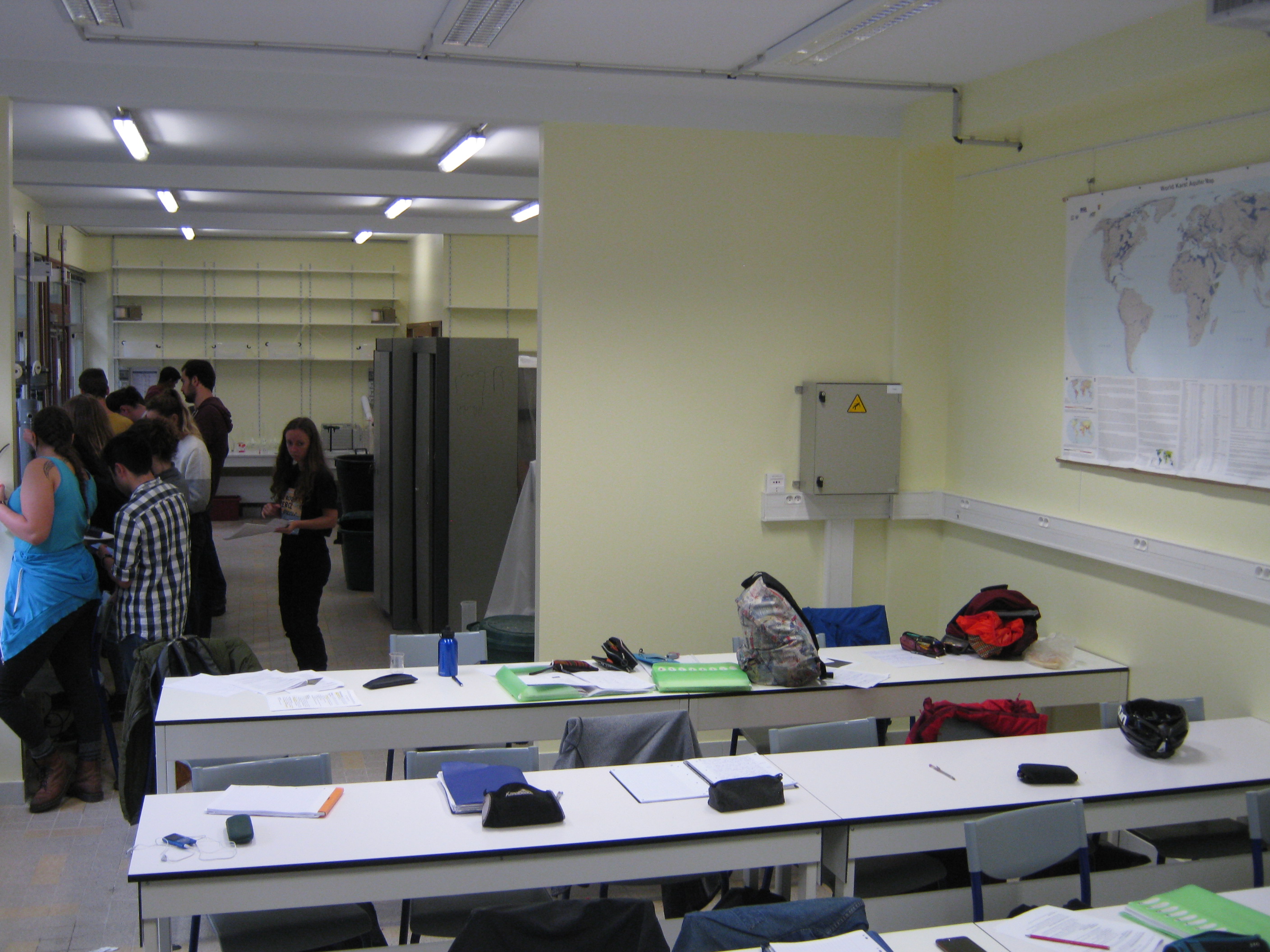
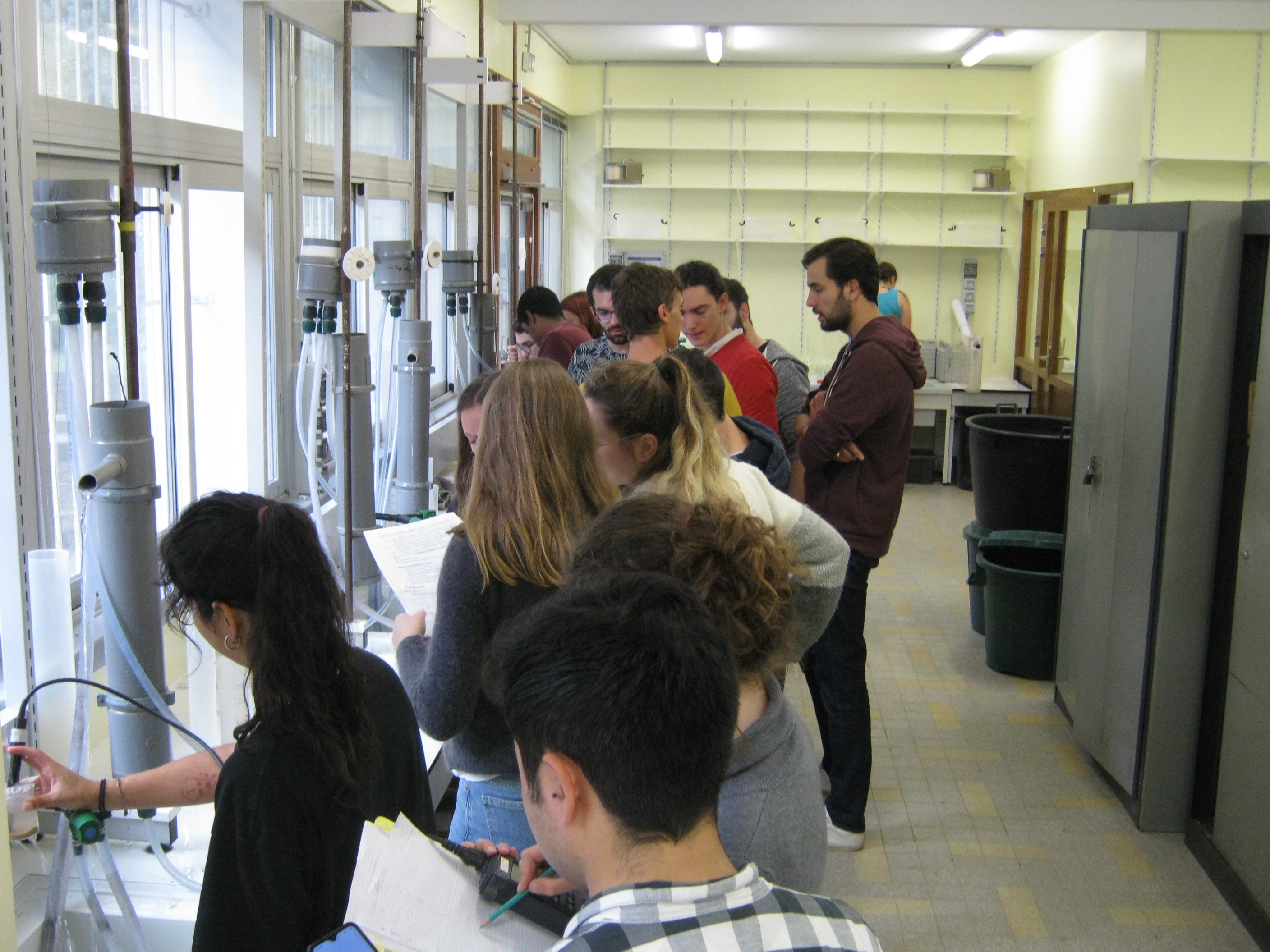
Work is also continuing in Room STP 15, which is set to house a Geosciences Learning Lab in 2020 (the GEAULL project, funded through the TAKEOFF call for proposals from the i-site MUSE), featuring two interactive screens and about 20 computer stations to enable students to visually analyze—sometimes in 3D—topographic and geological data.