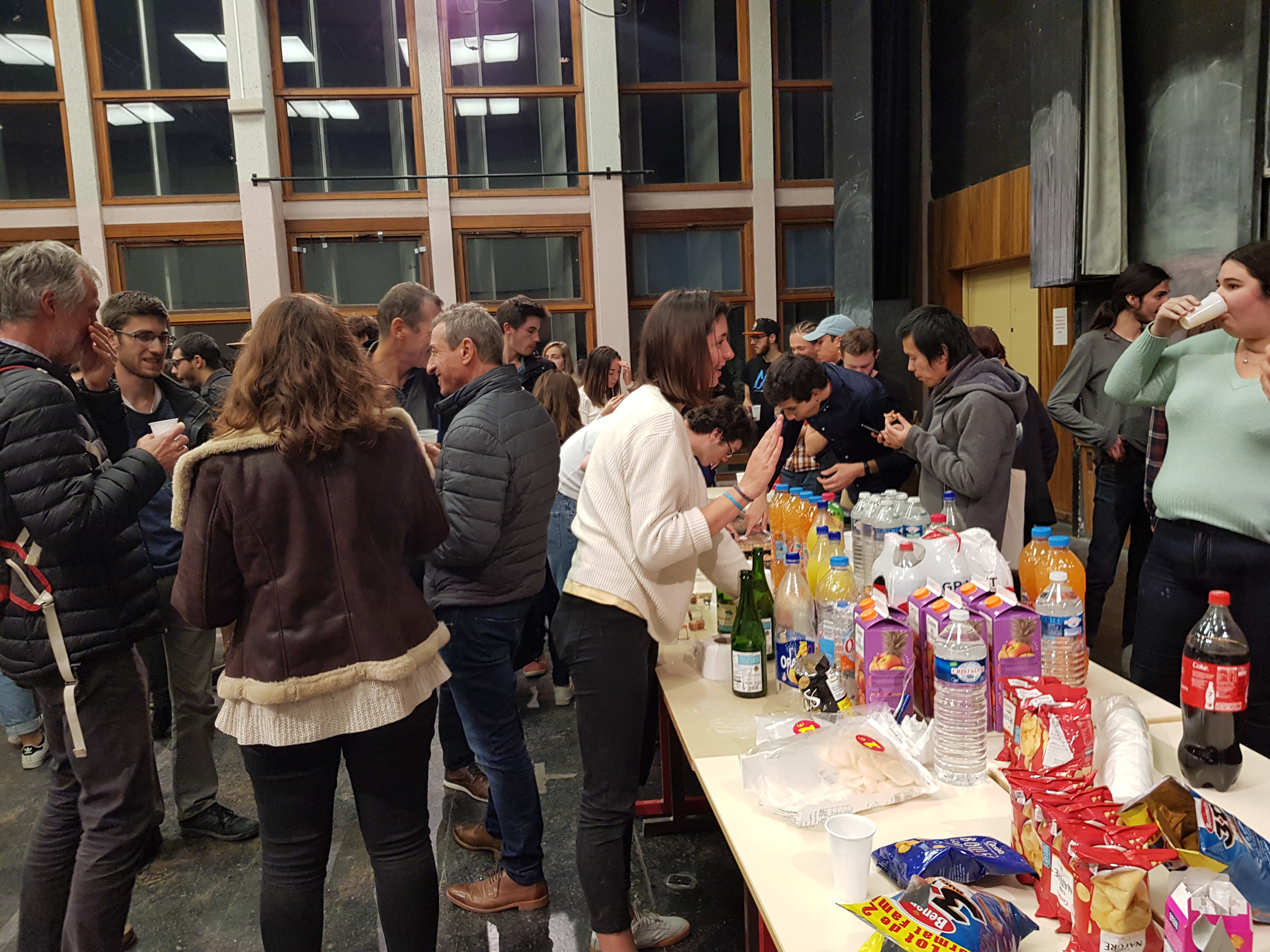
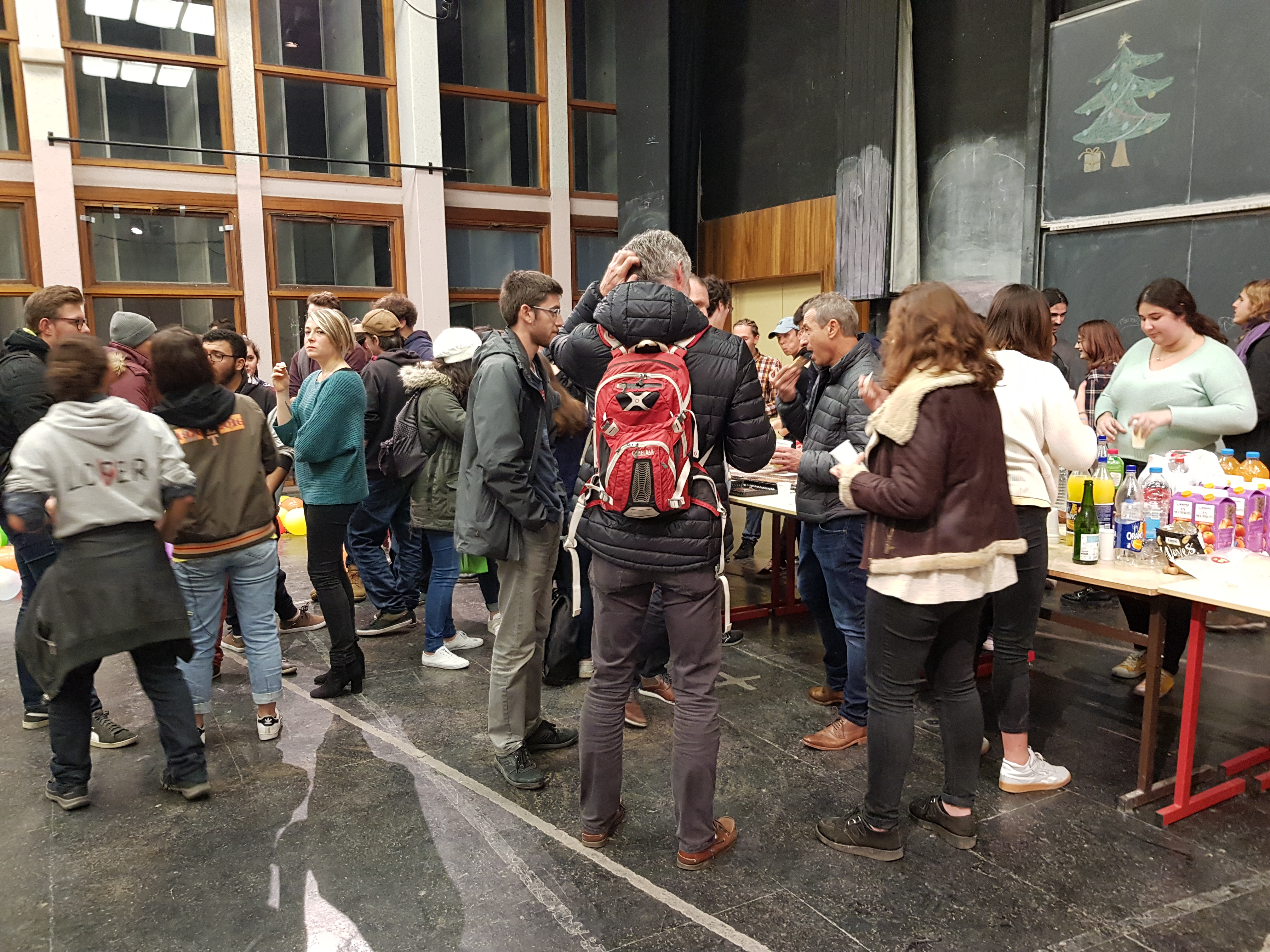
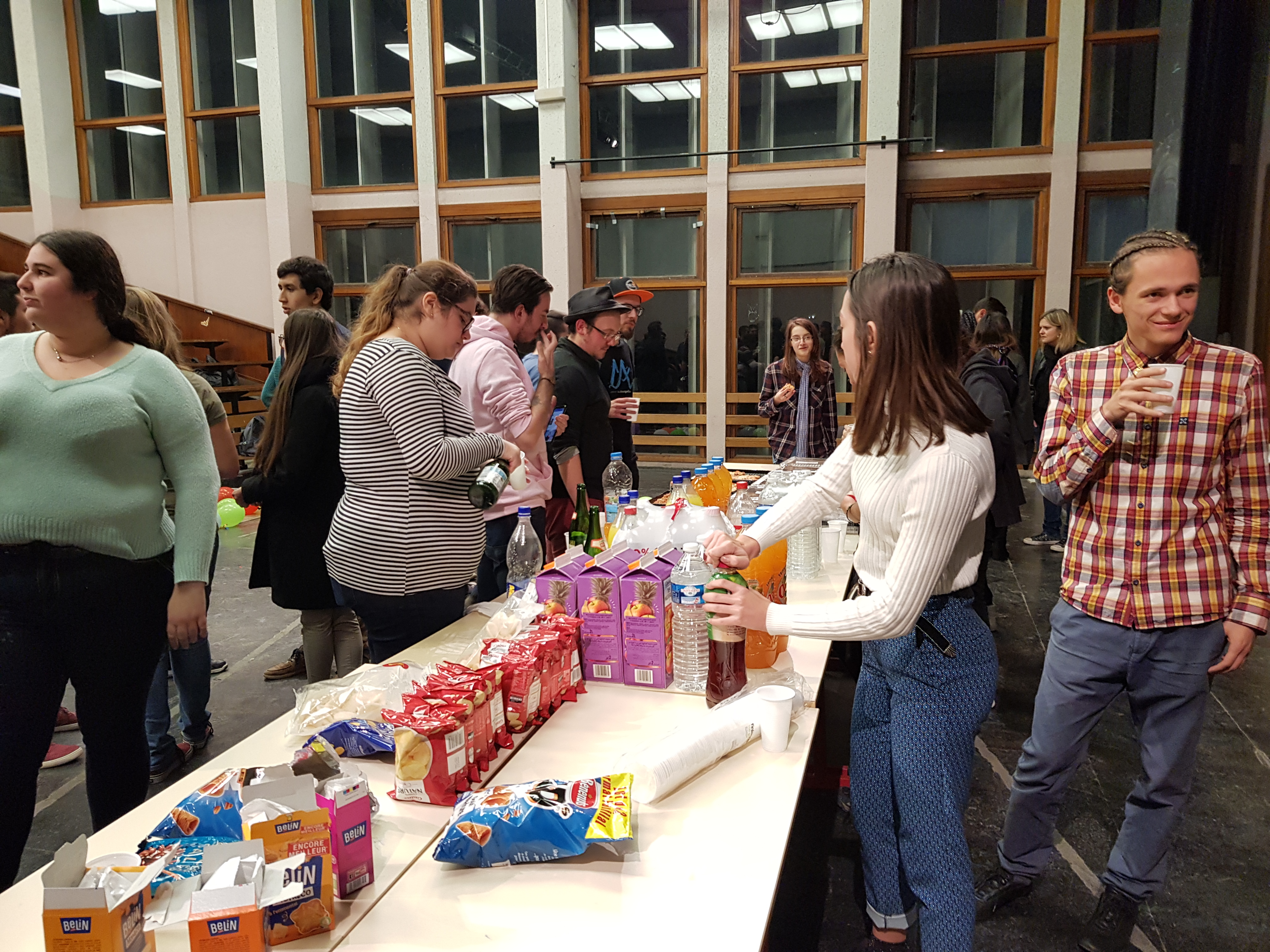
It was November 22: Relive the day through photos









Thursday, November 22, 2018
Triolet Campus

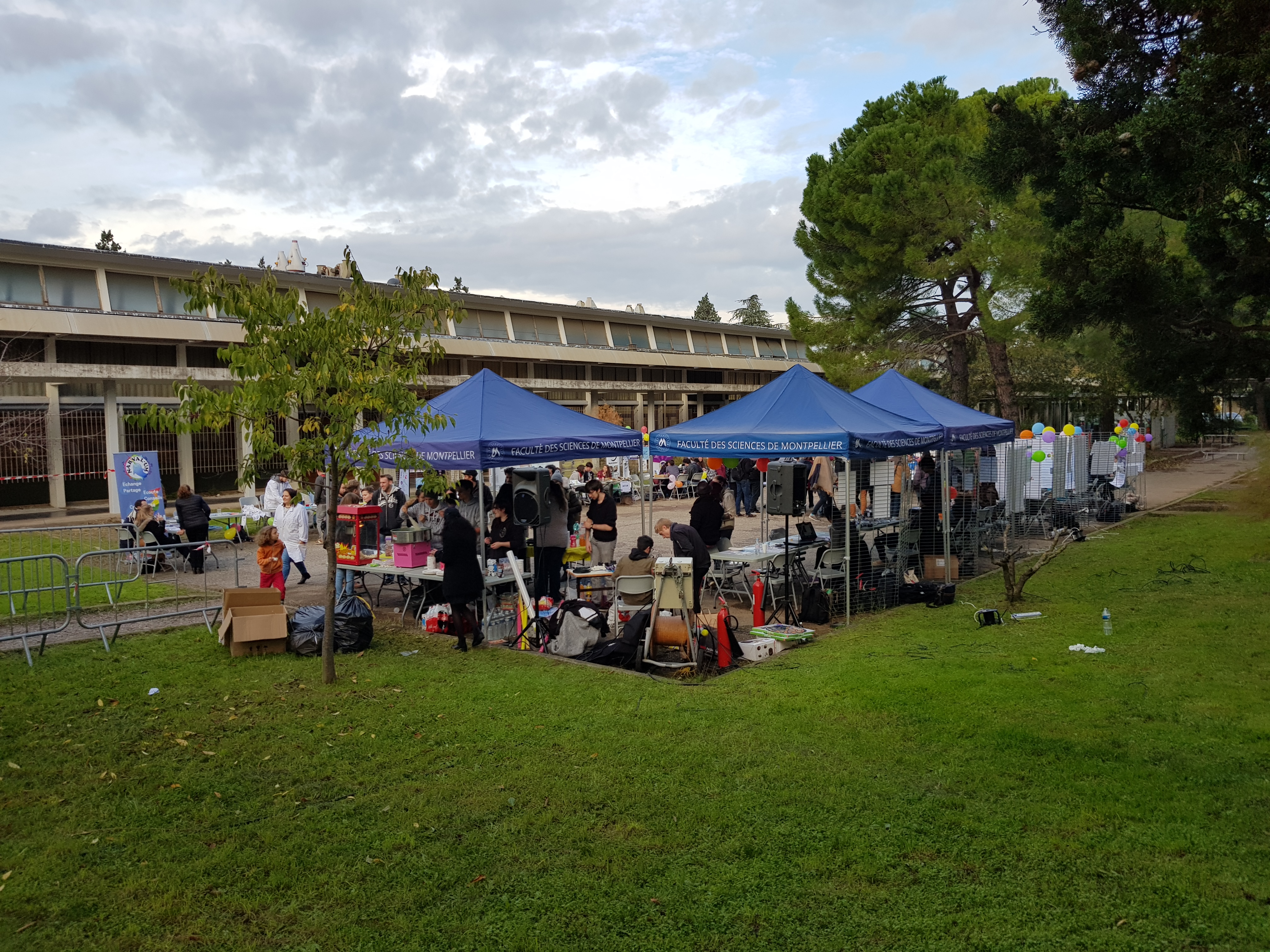
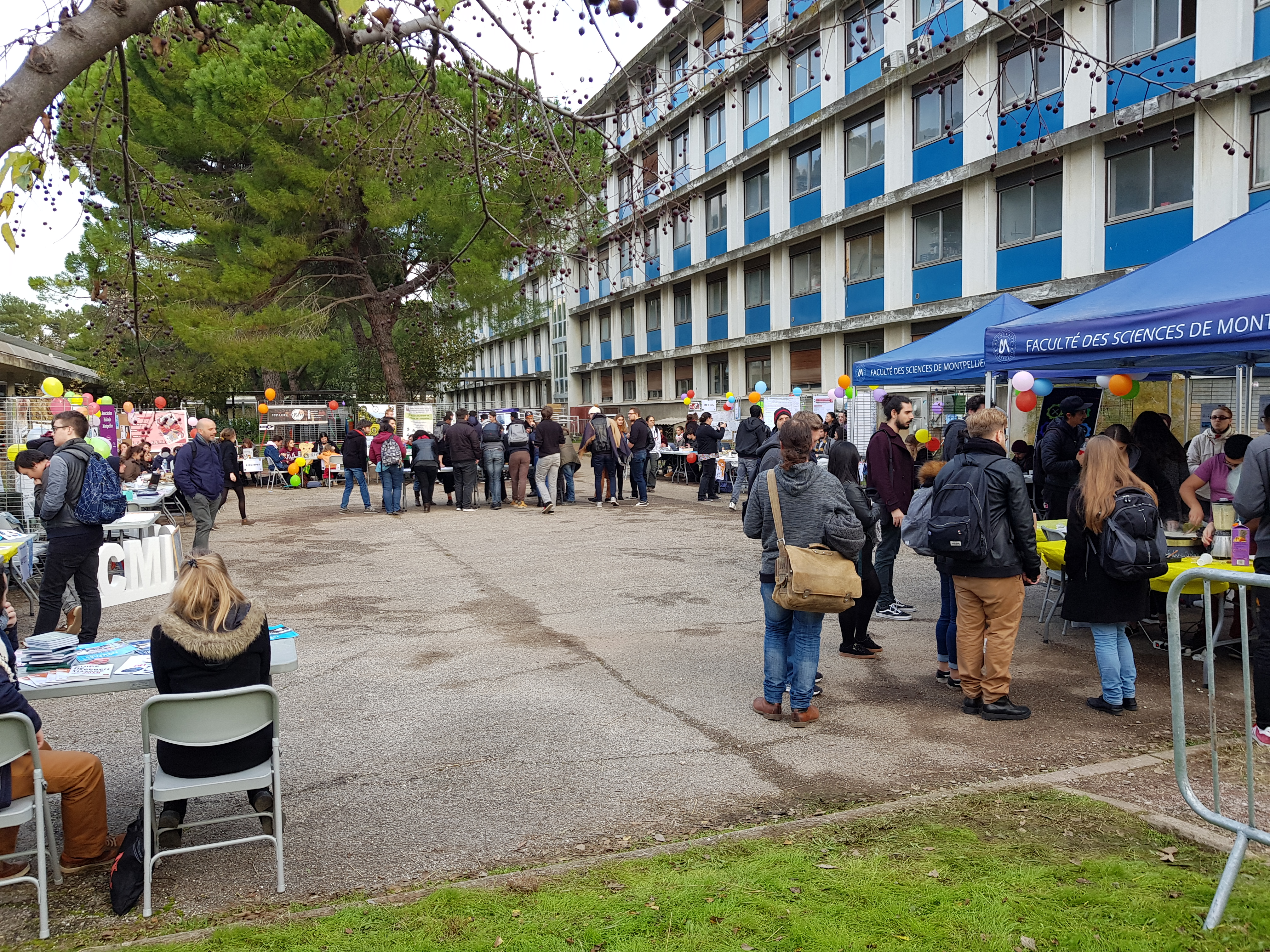
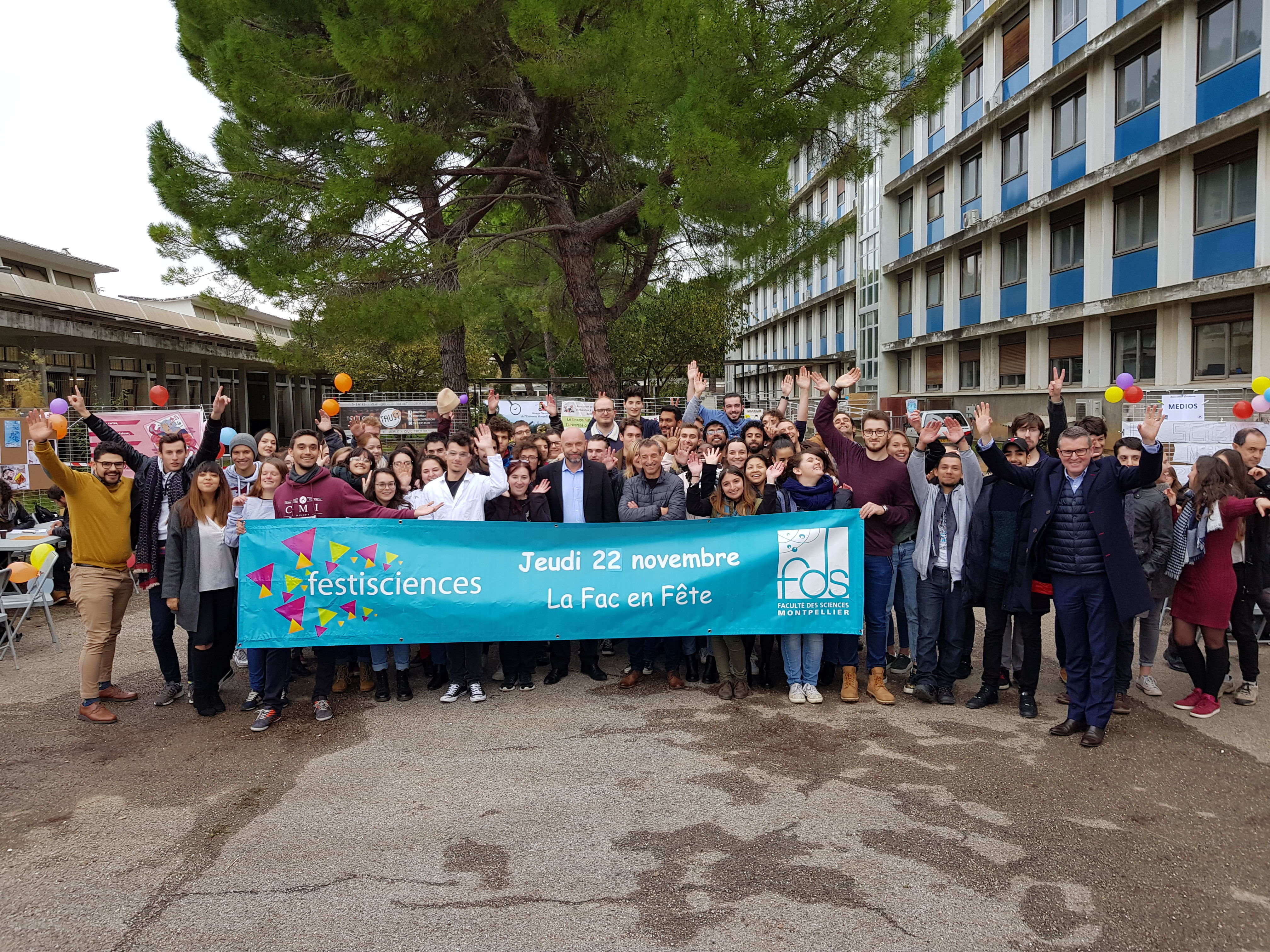
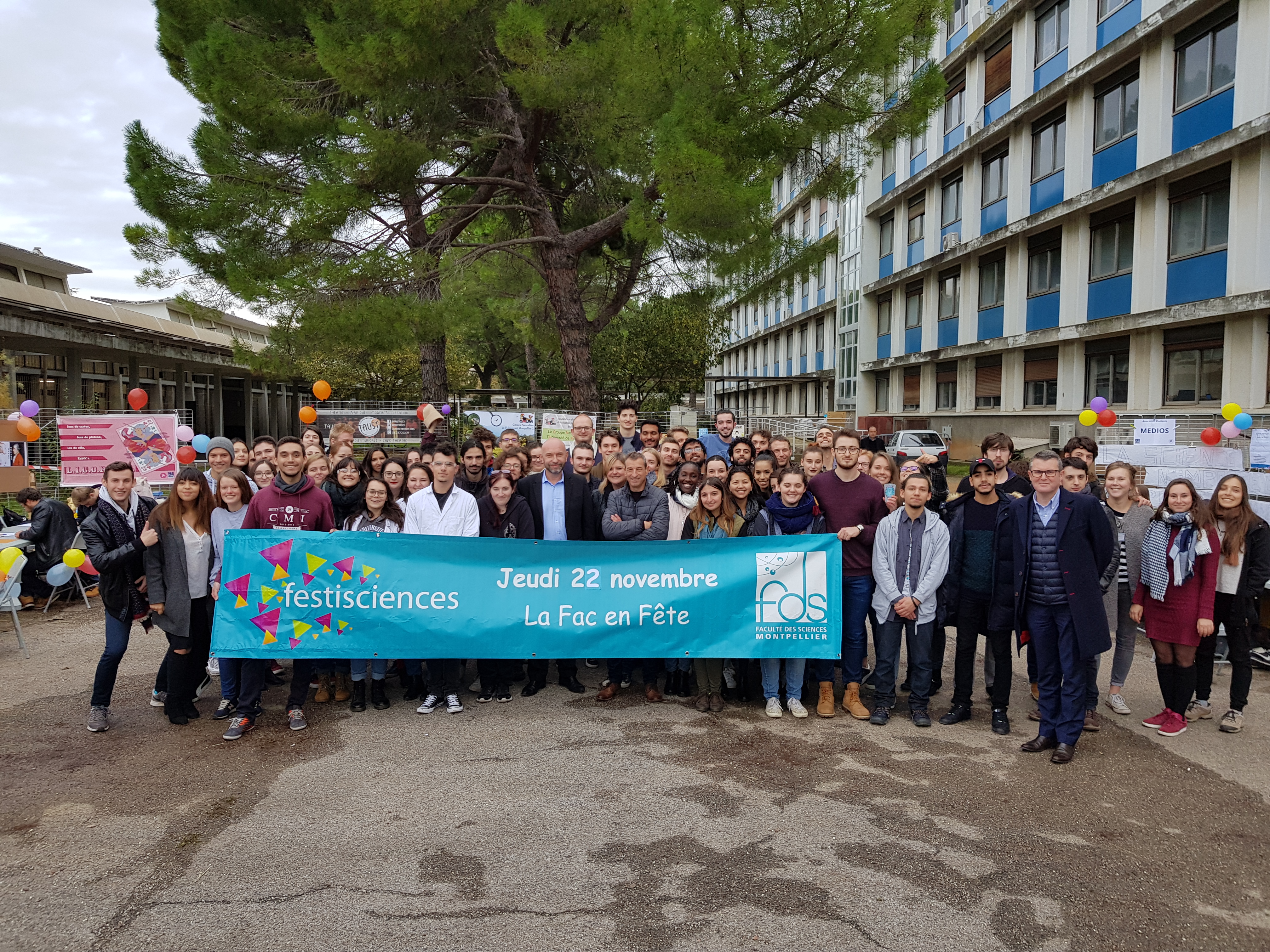
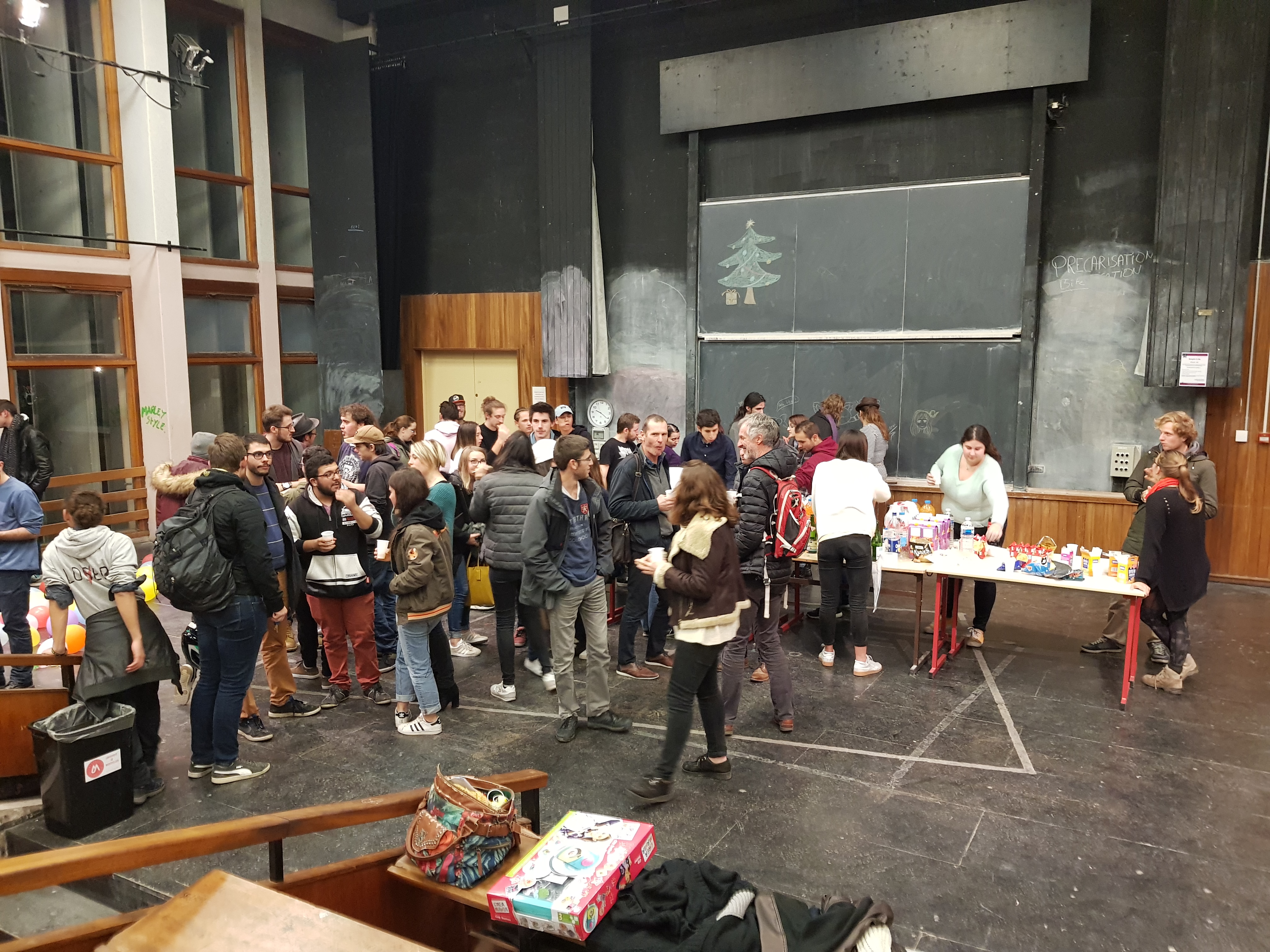
Students and staff, you will be the key participants in this event, which allows the entire FdS community to transform the Triolet campus into a unique place for gathering, celebration, and good cheer.
This is a unique opportunity to learn about career paths associated with bachelor’s degree programs and to meet faculty members in a friendly setting. All master’s degree programs will be represented, as well as the professional third-year bachelor’s programs.
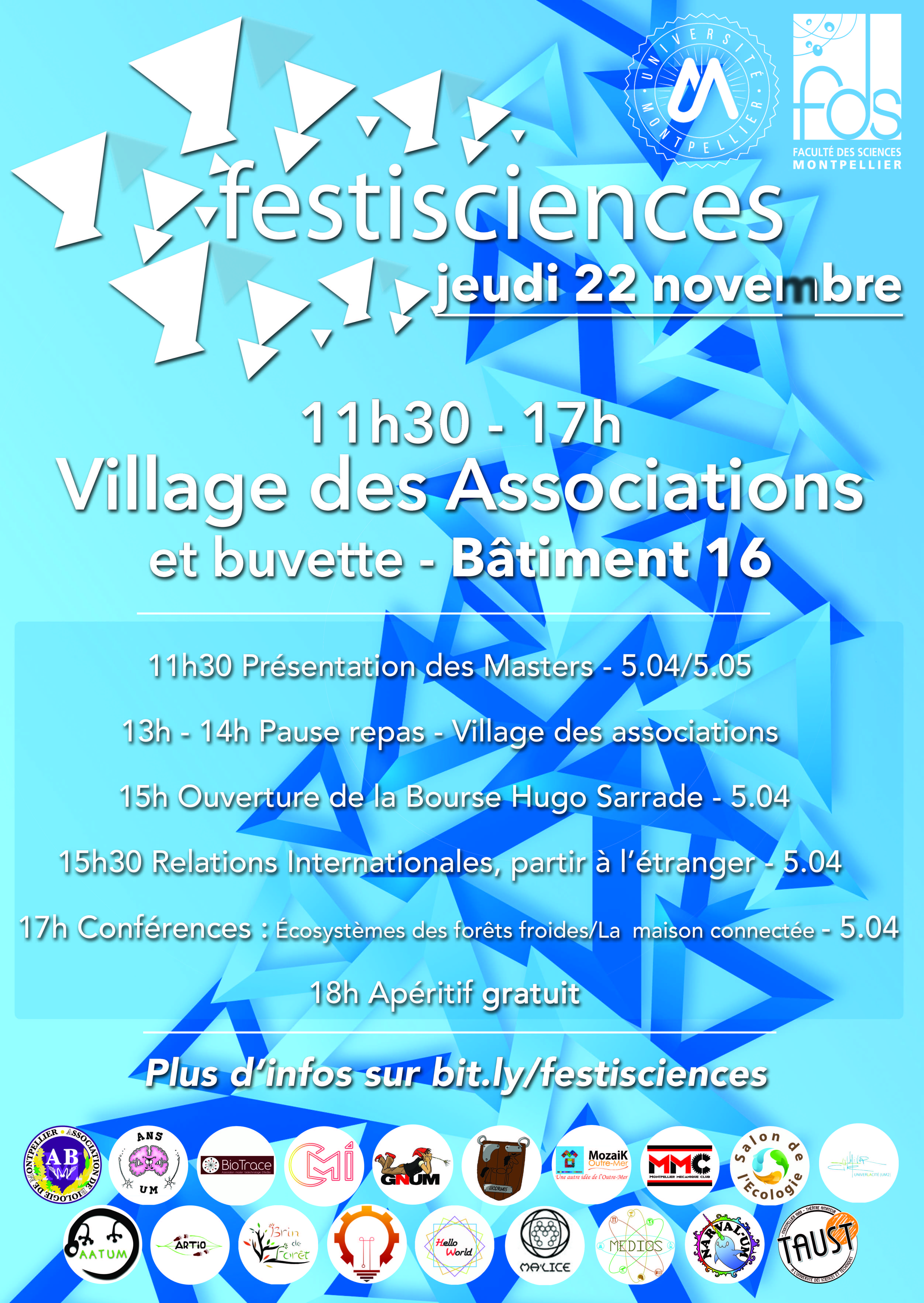
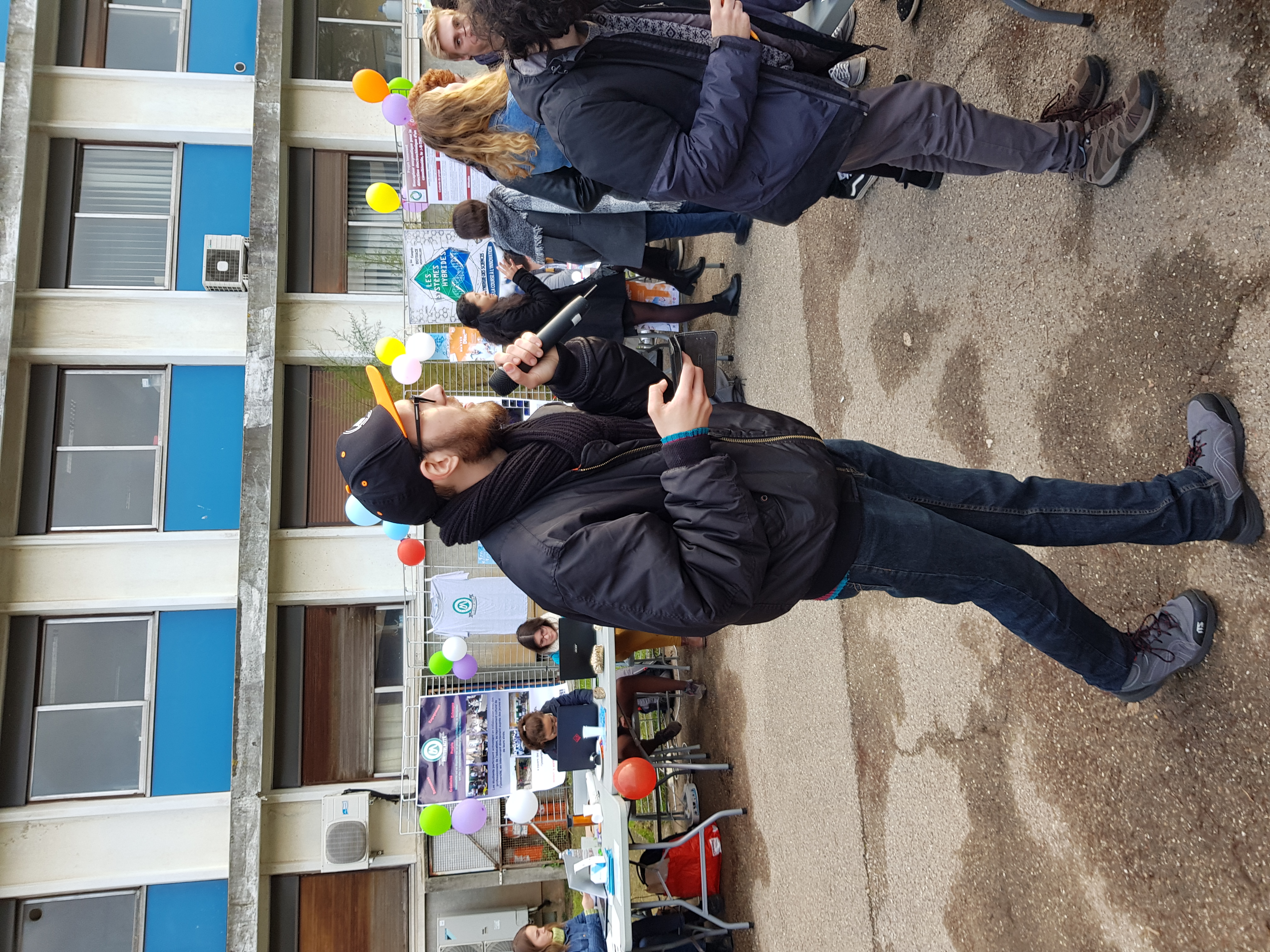
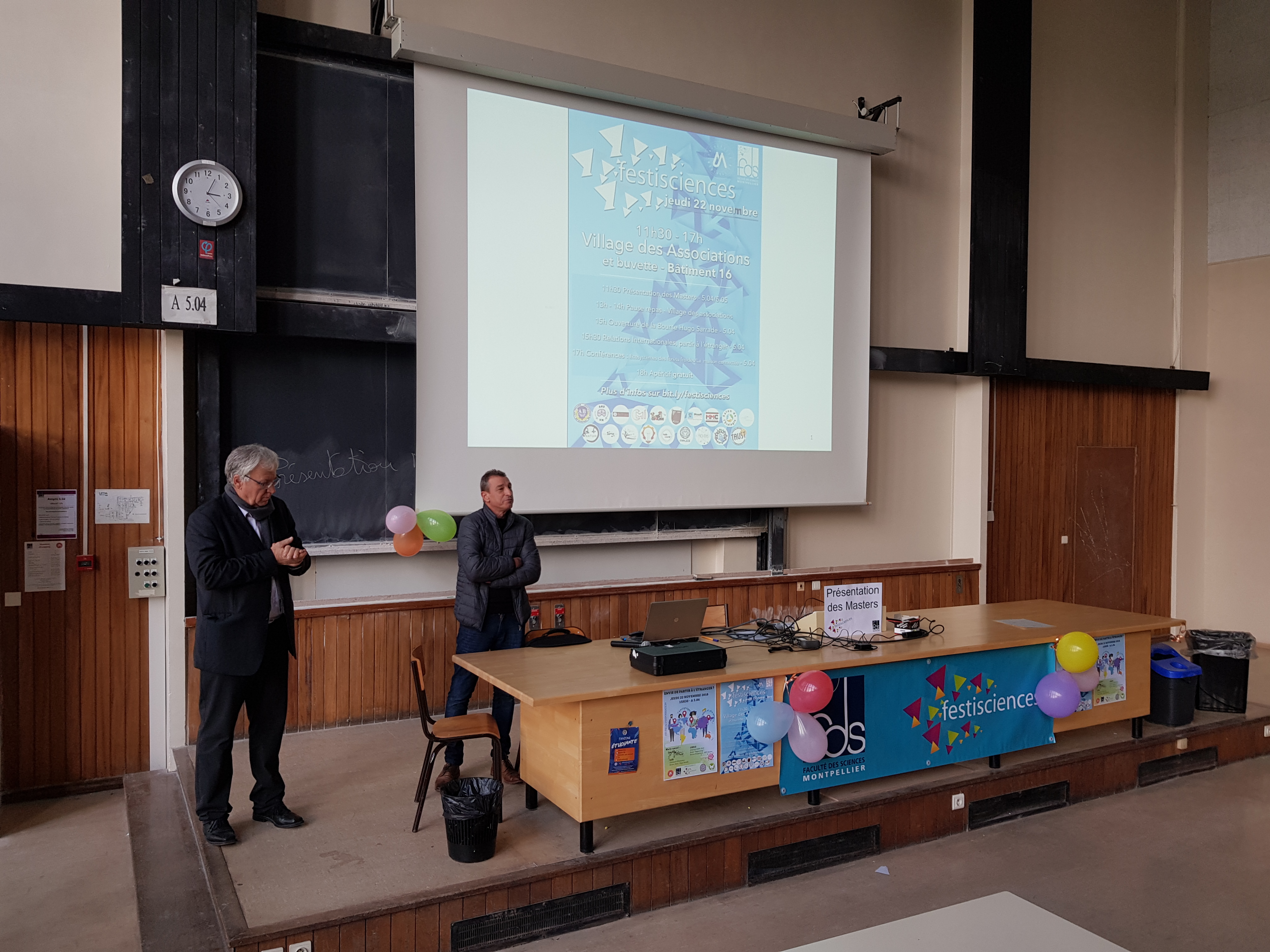
Join us on Thursday, November 22, 2018, for a festive day organized by the student organizations of the Faculty of Sciences.
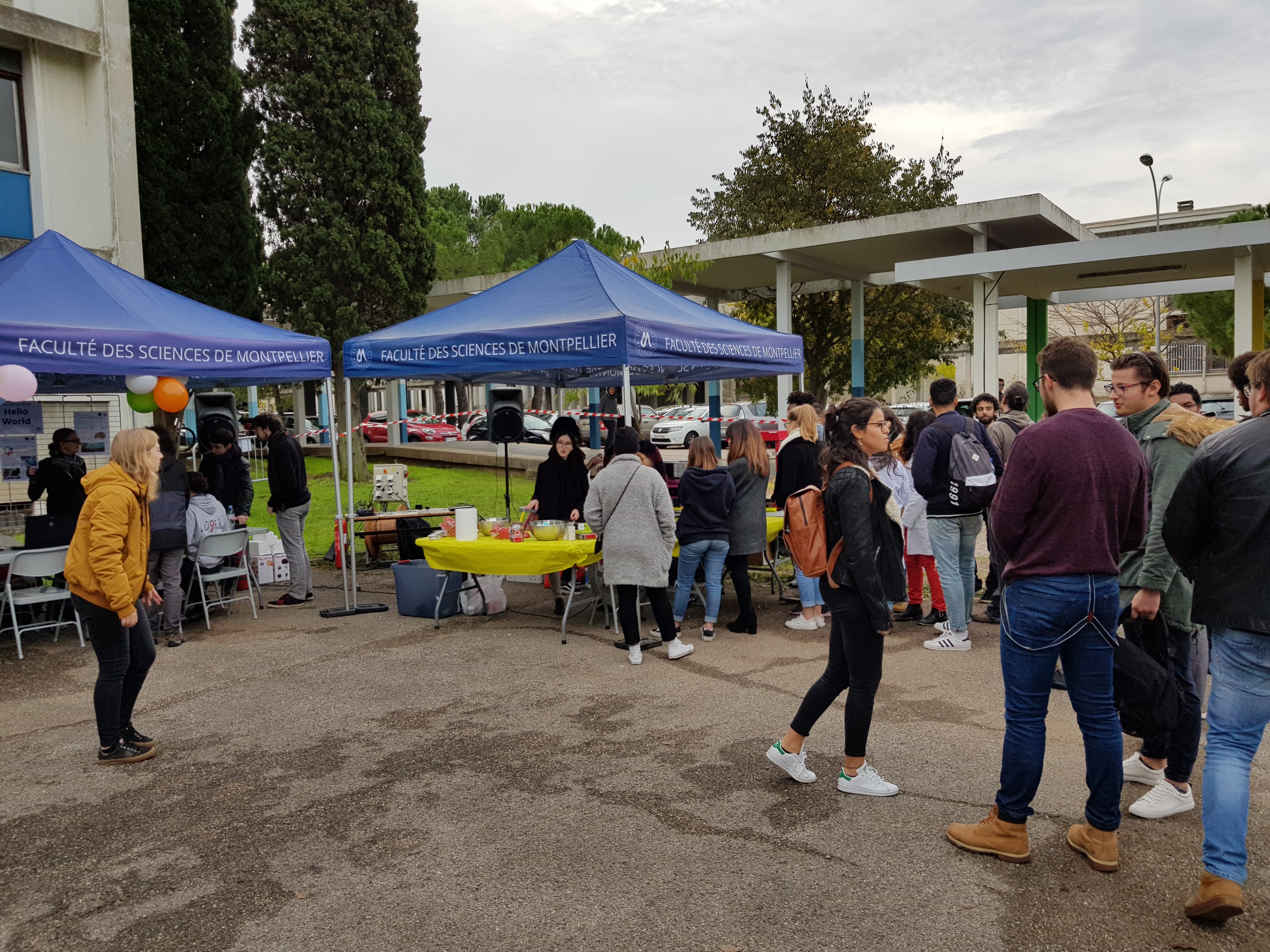
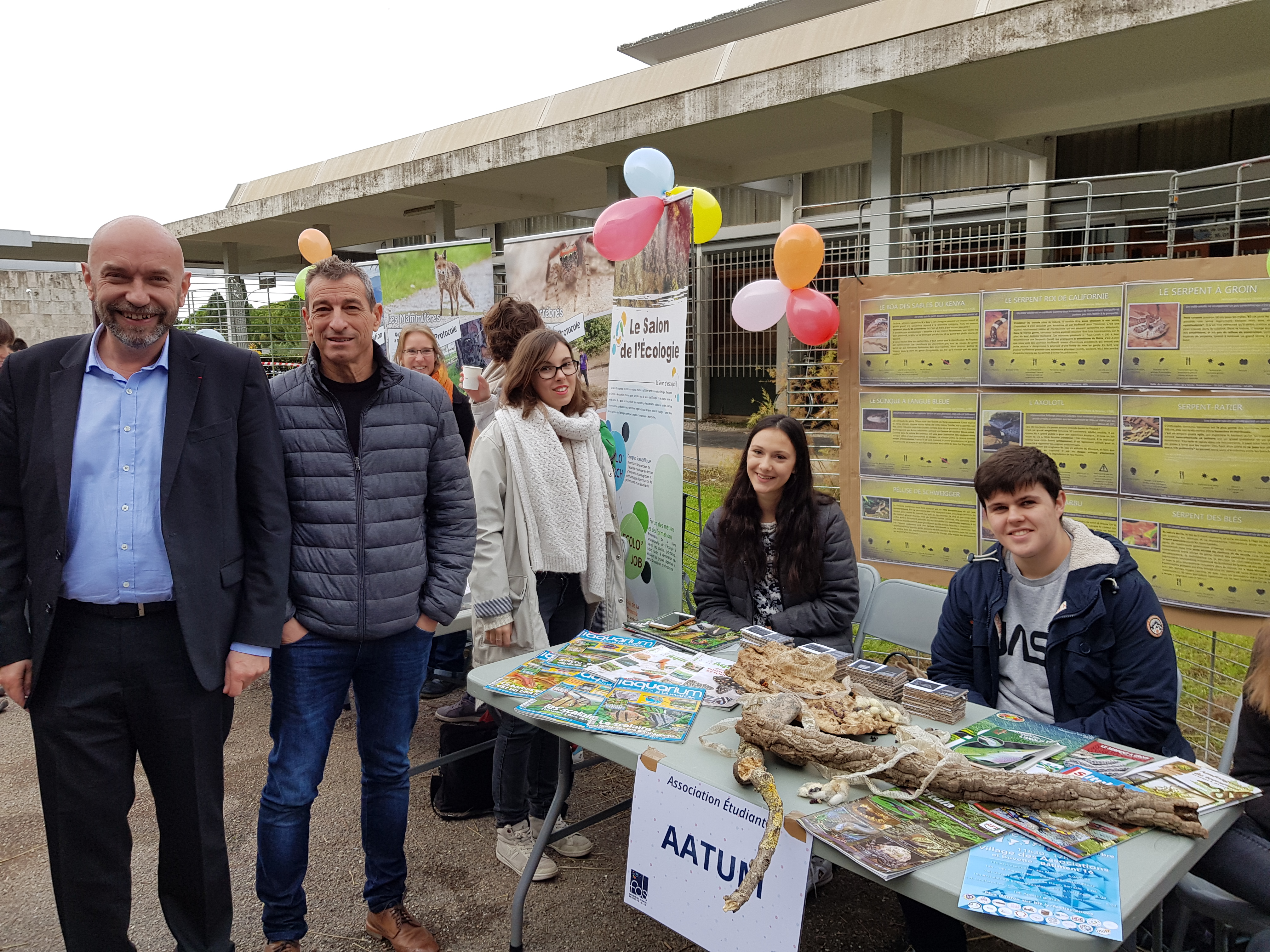
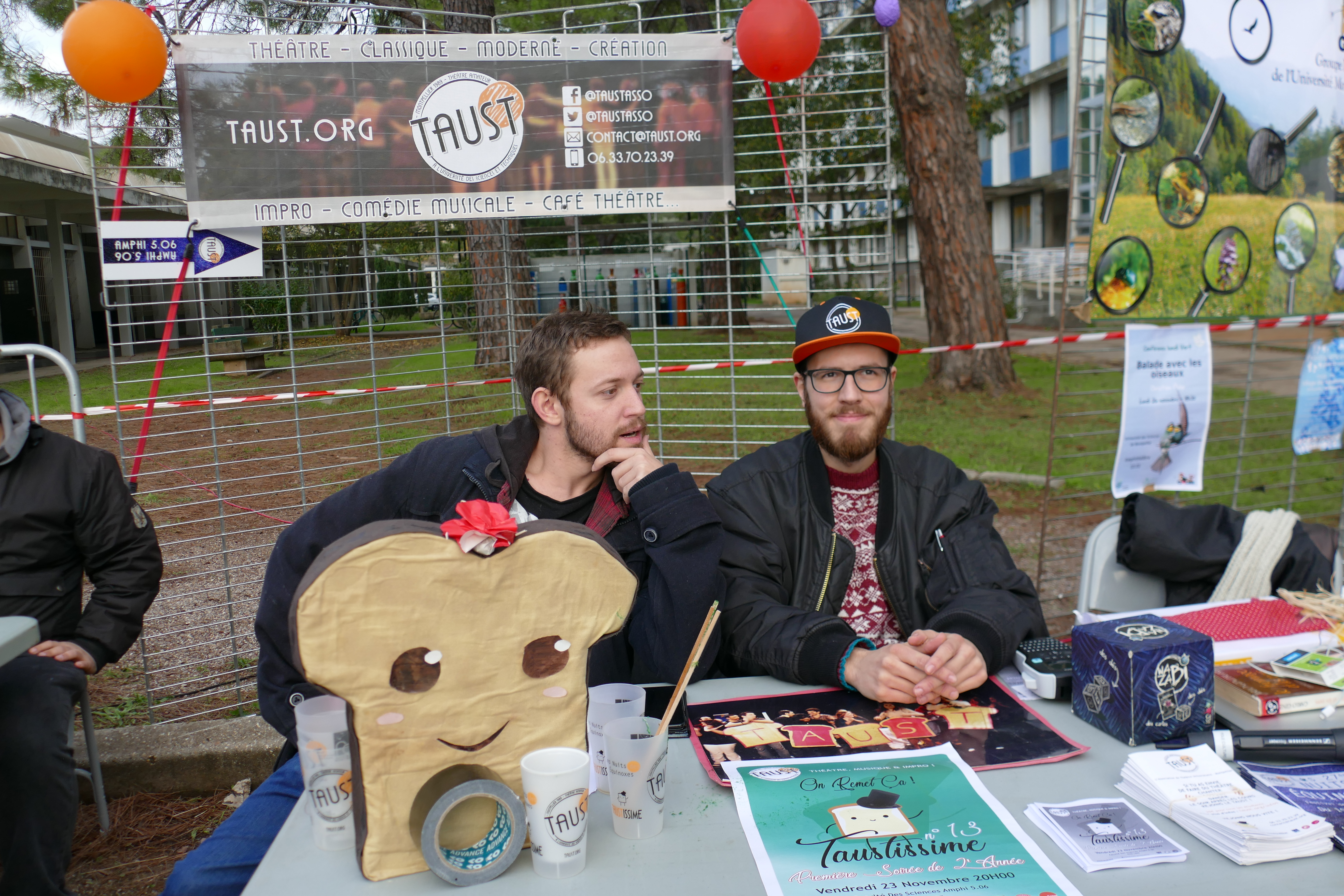
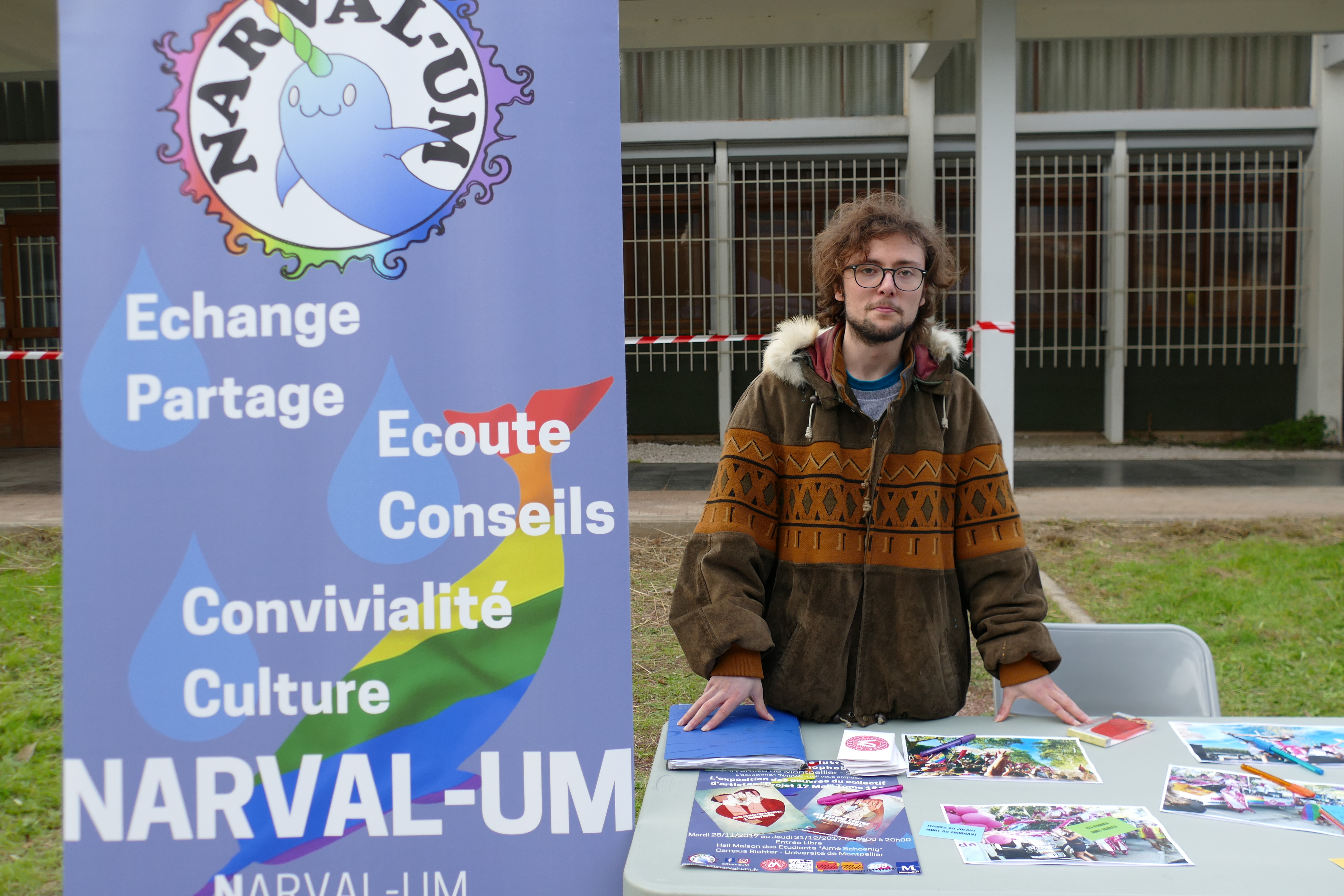
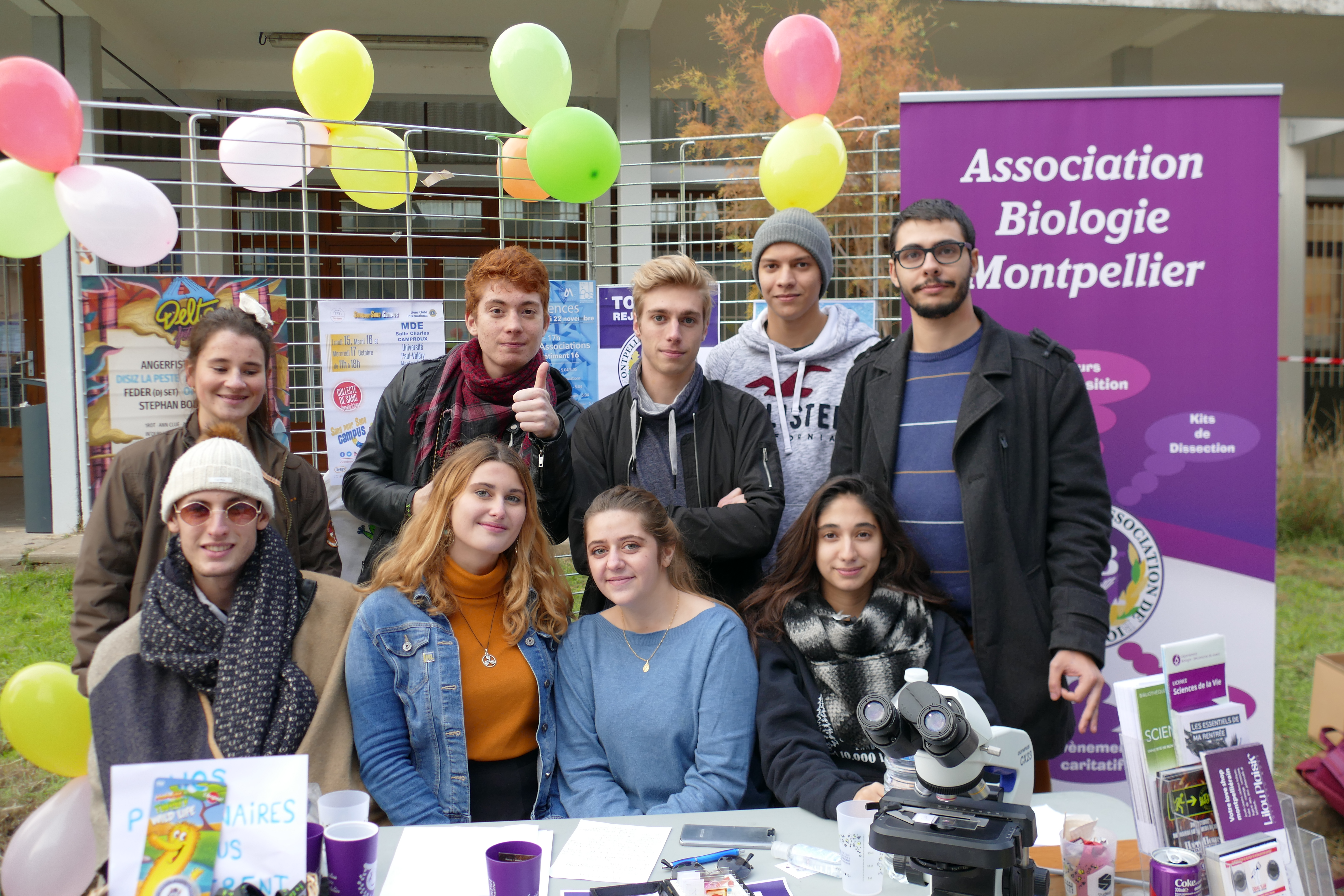
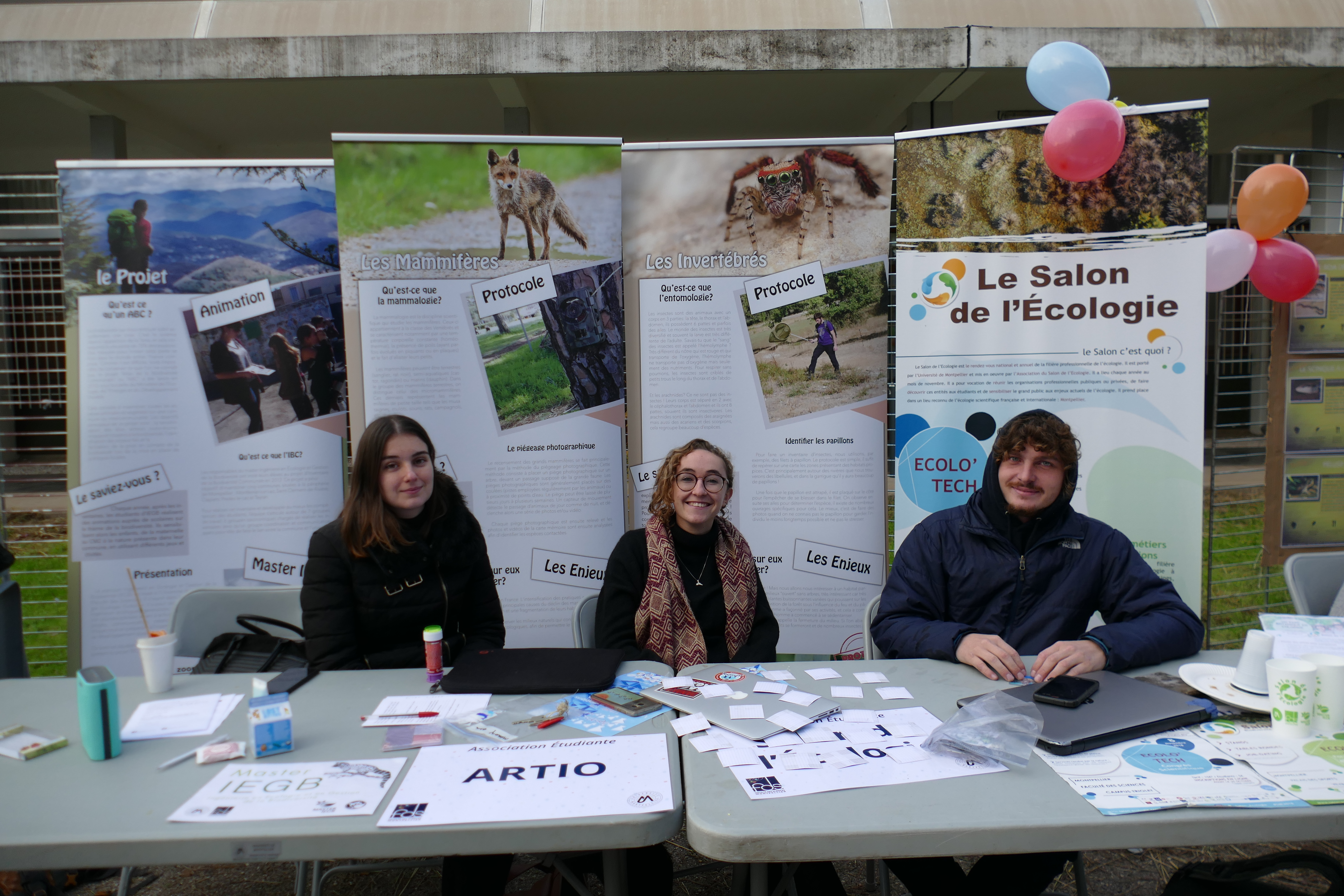
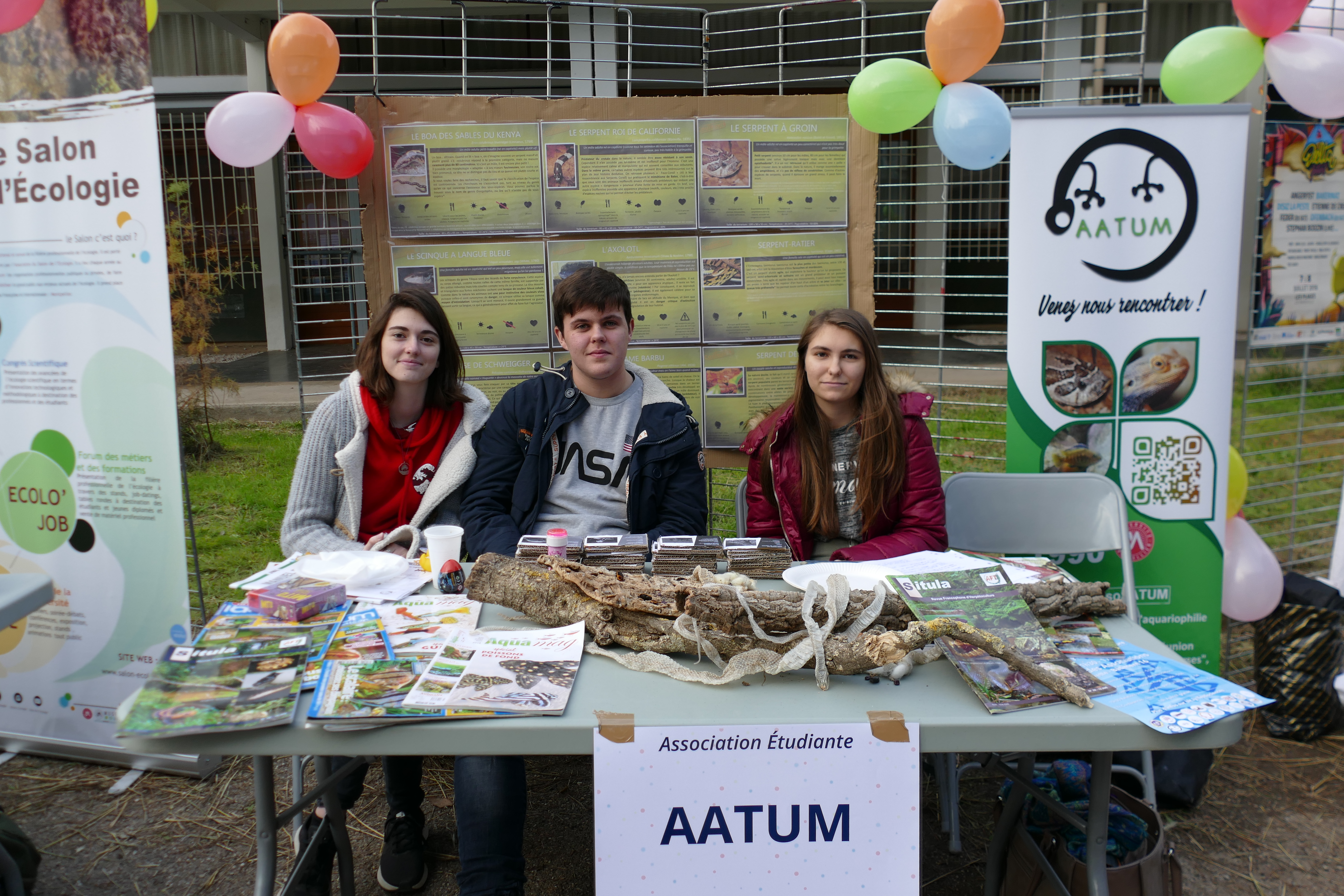
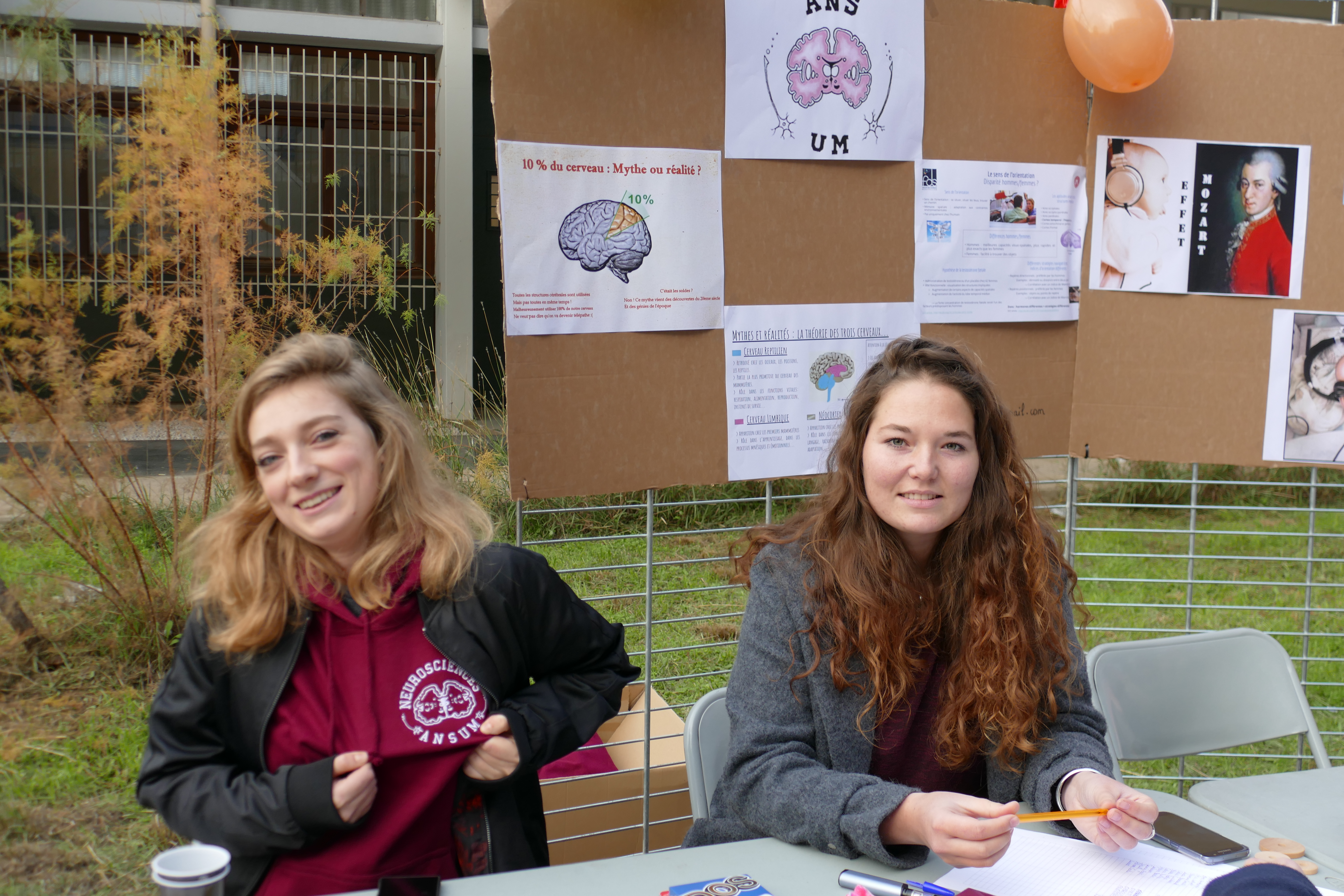
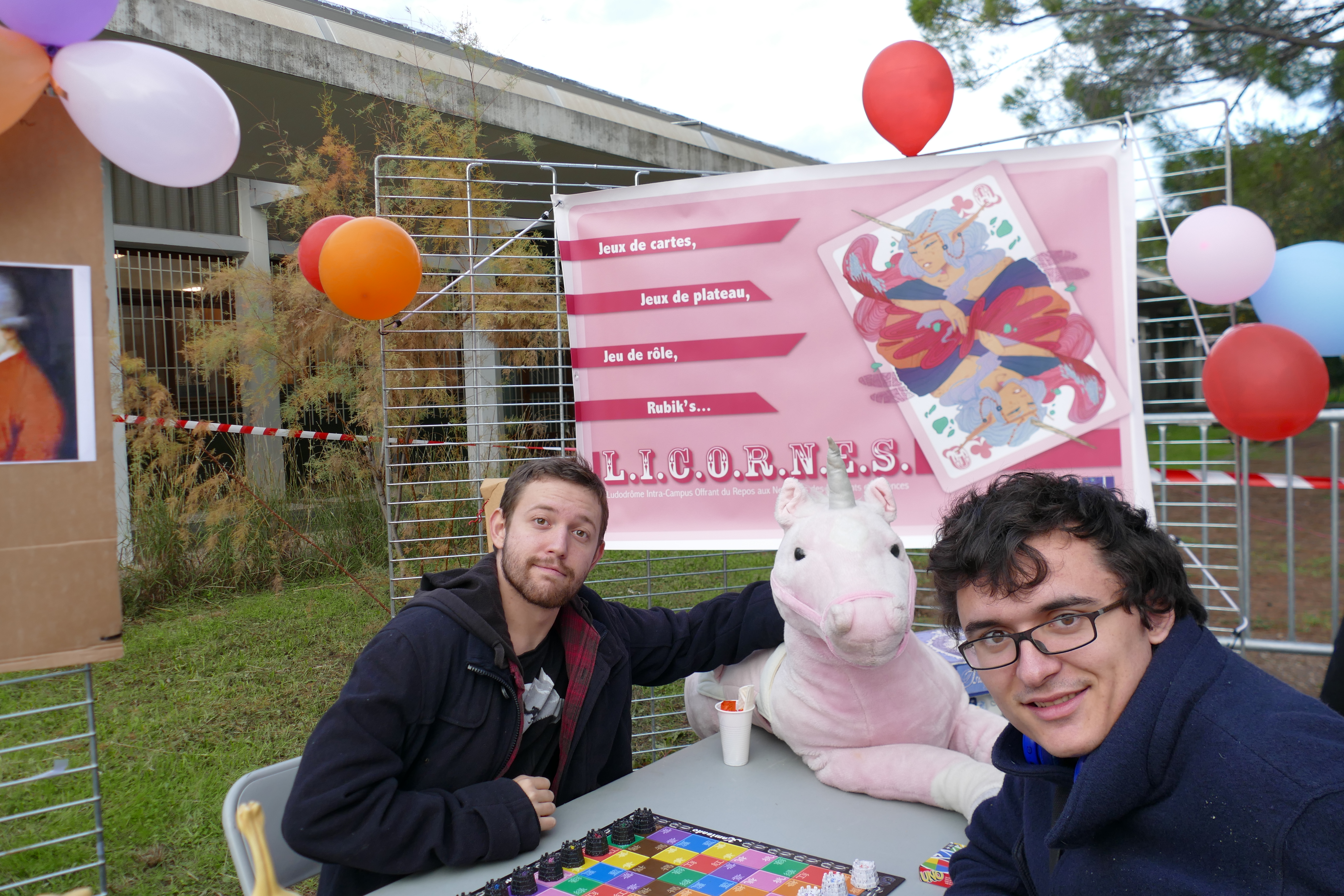
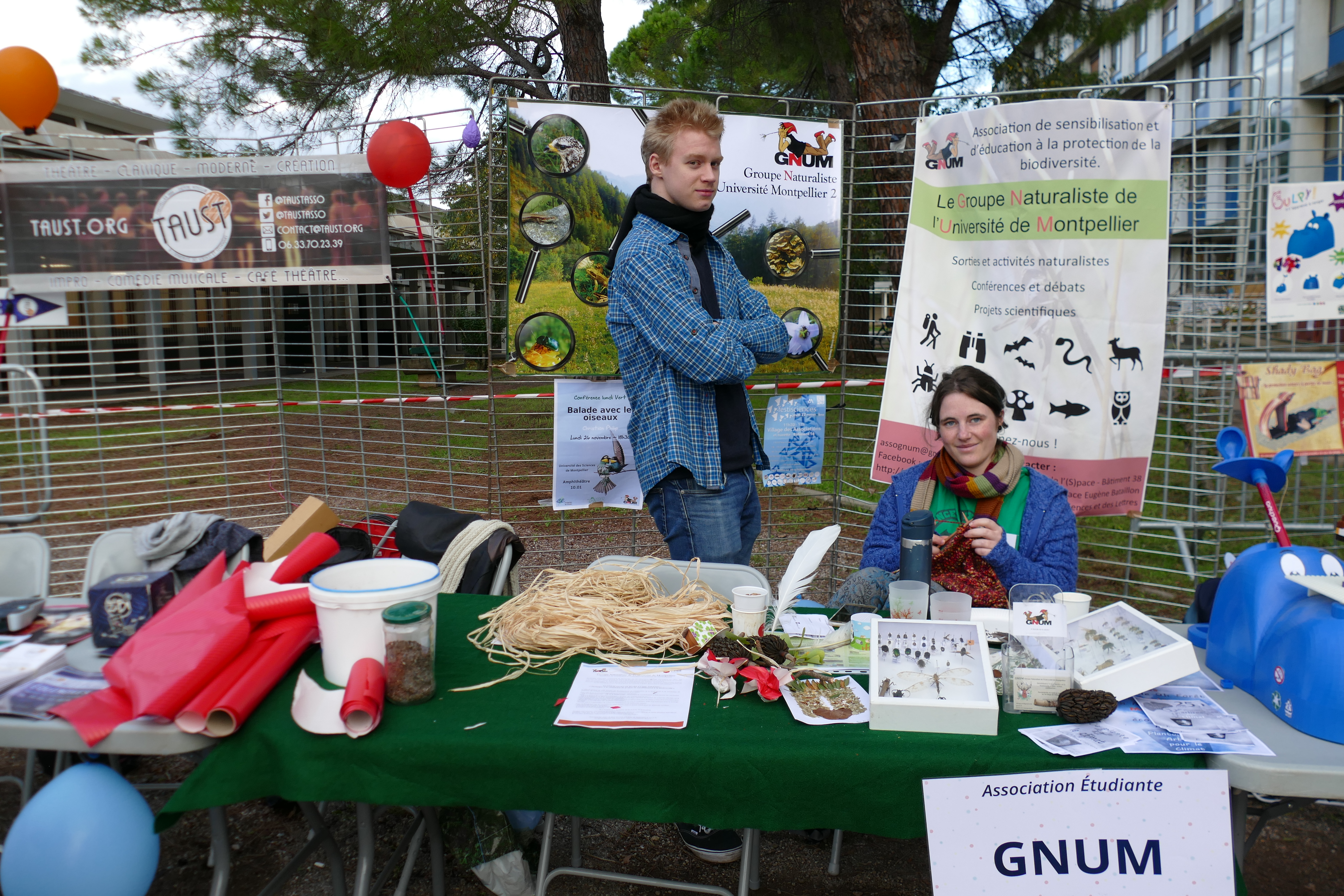
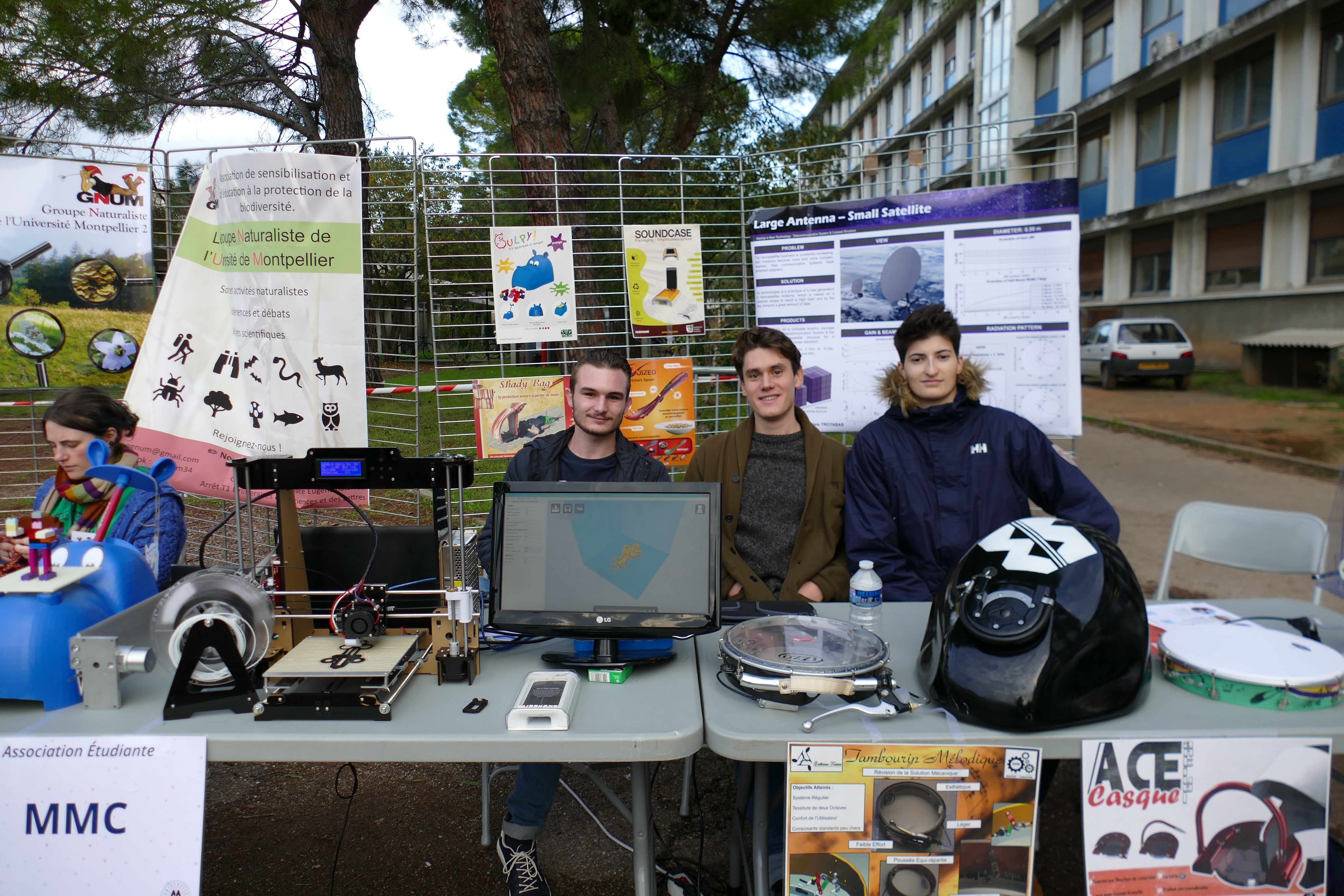
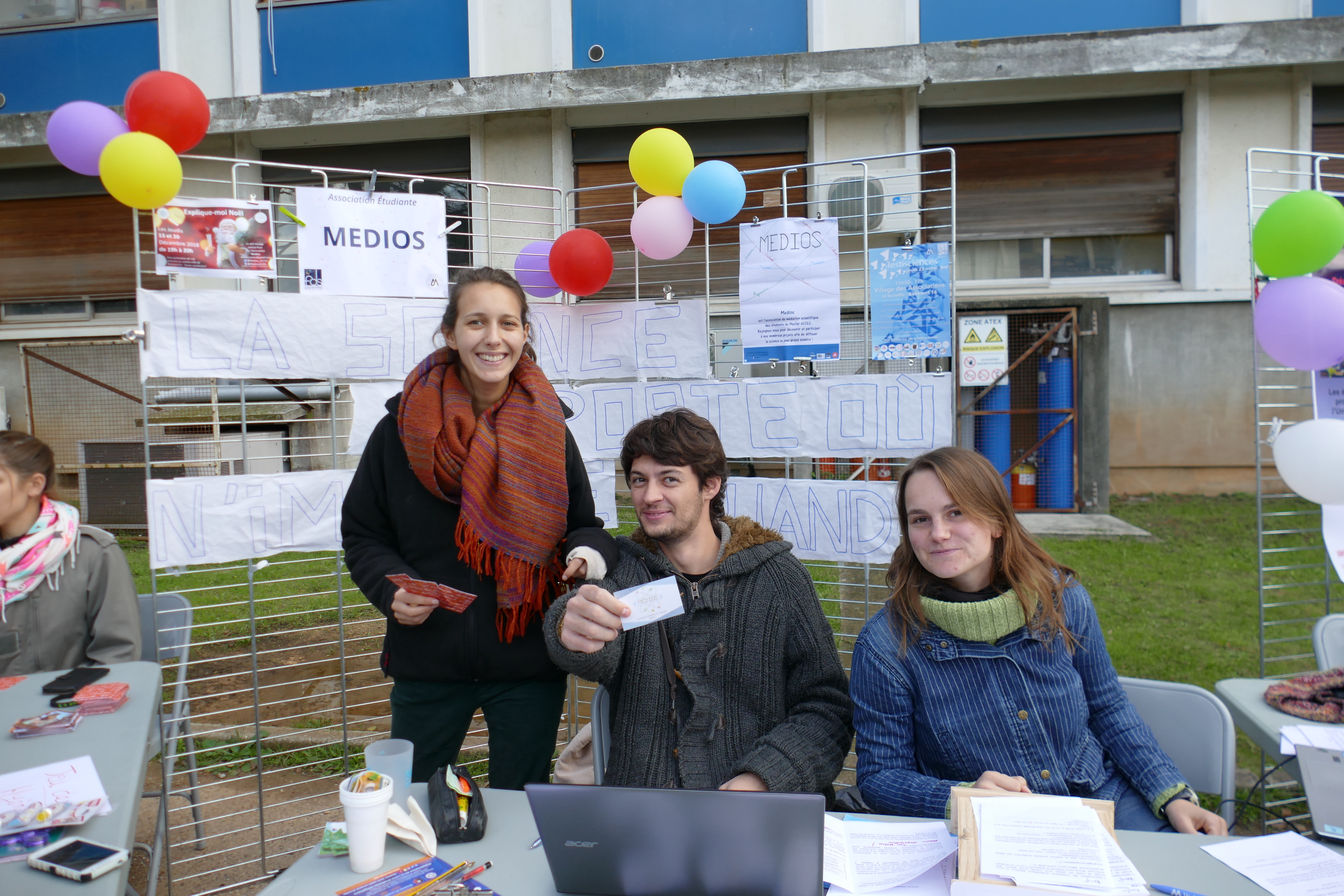
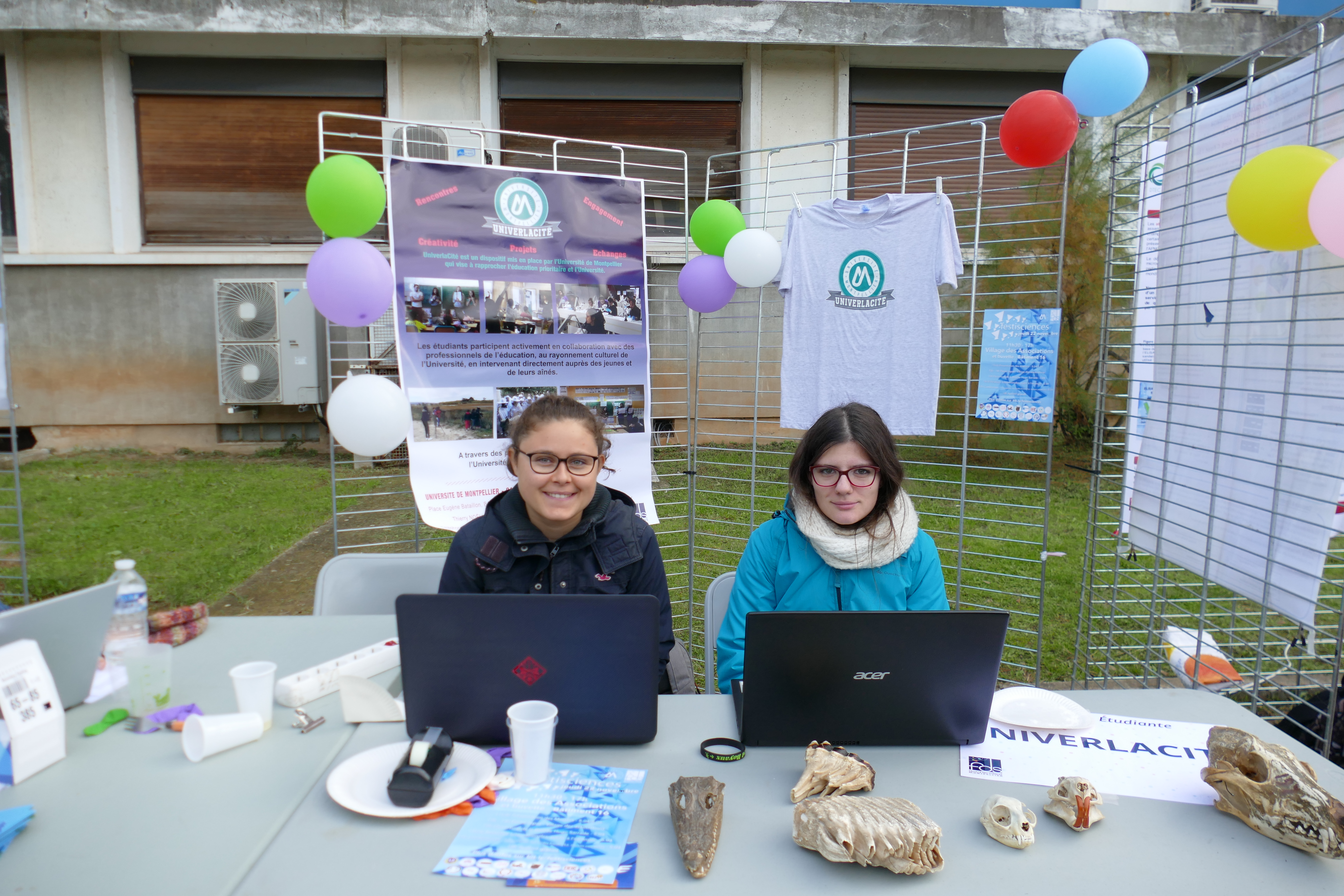
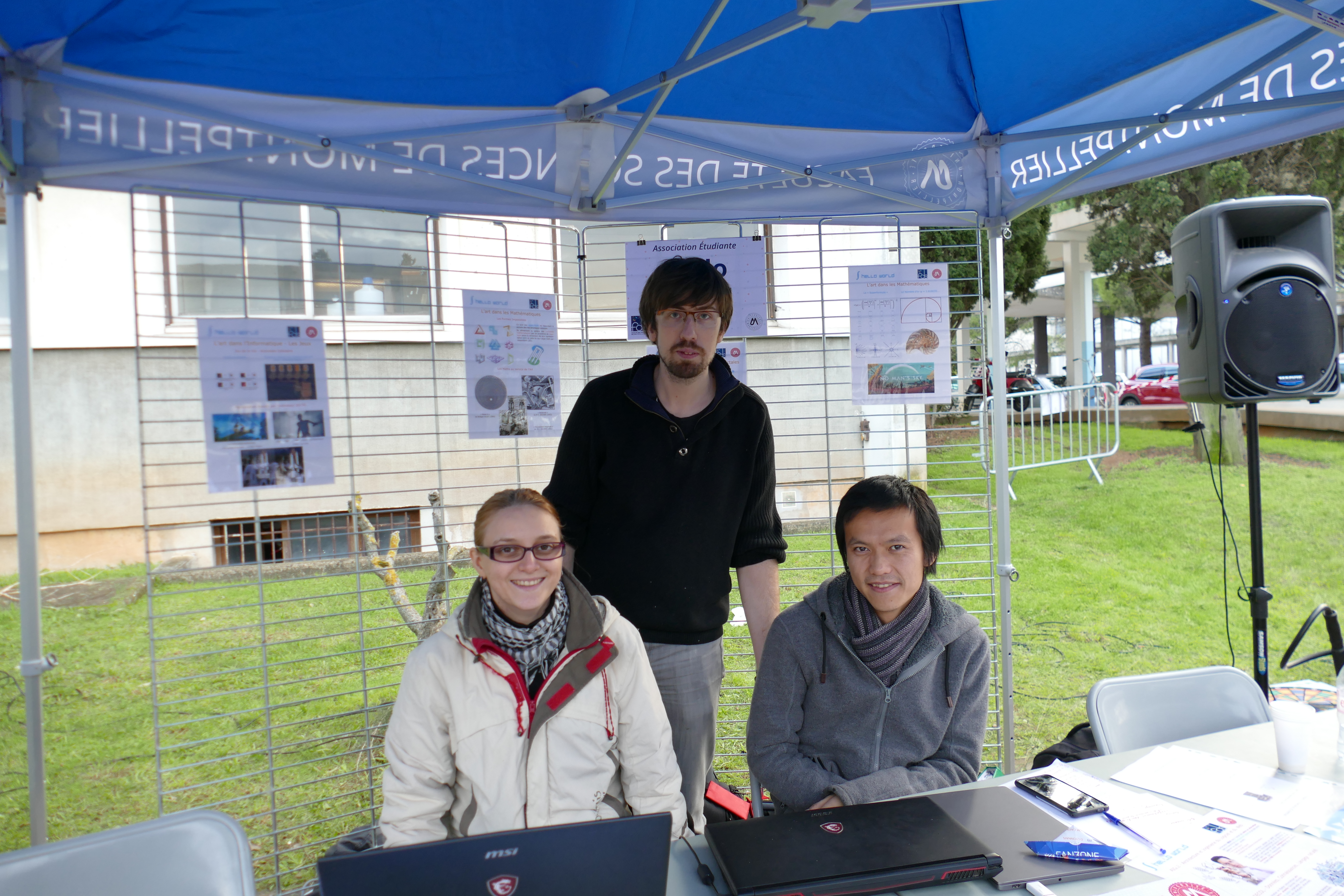
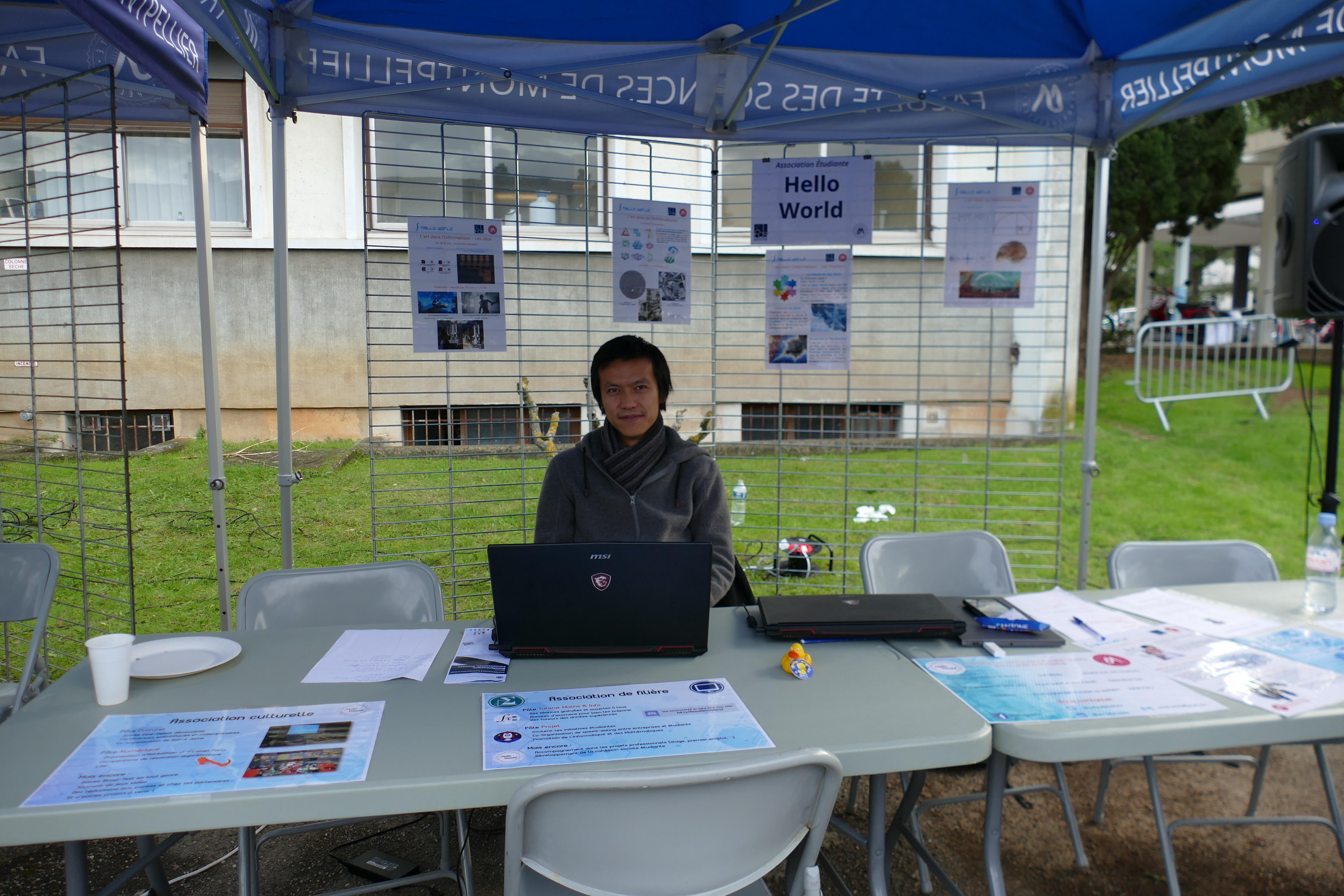
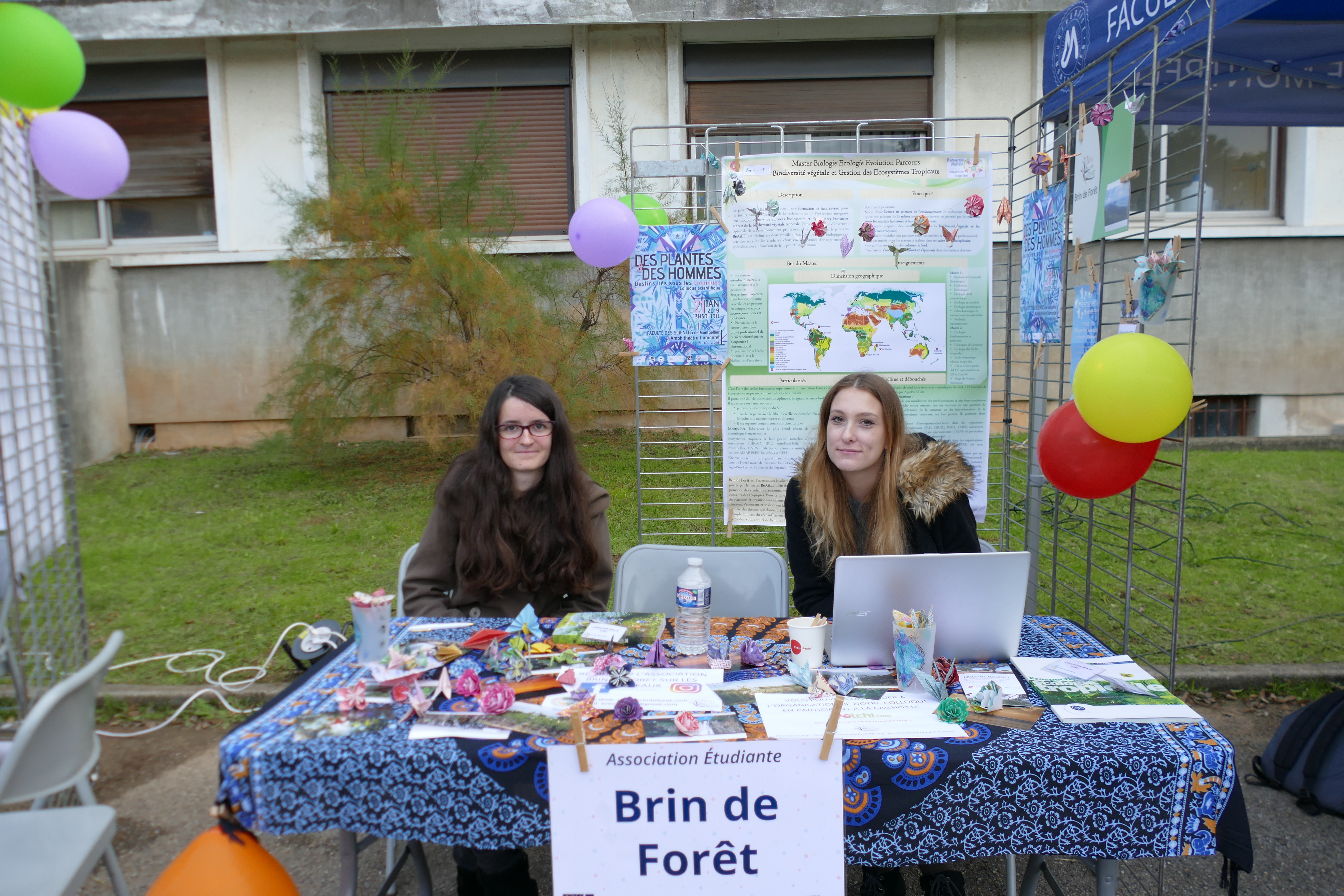
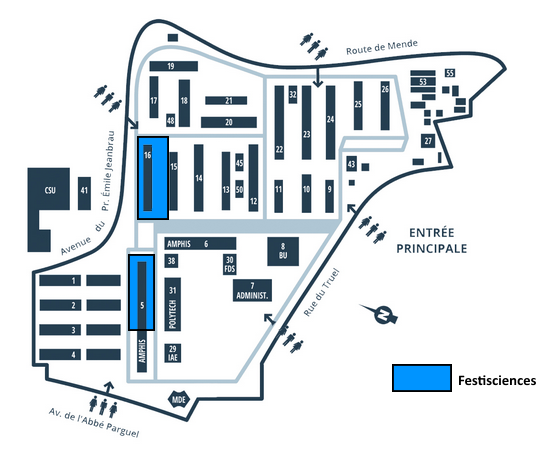
Stop by the Science Village between Buildings 15 and 16 throughout the day to meet the student organizations
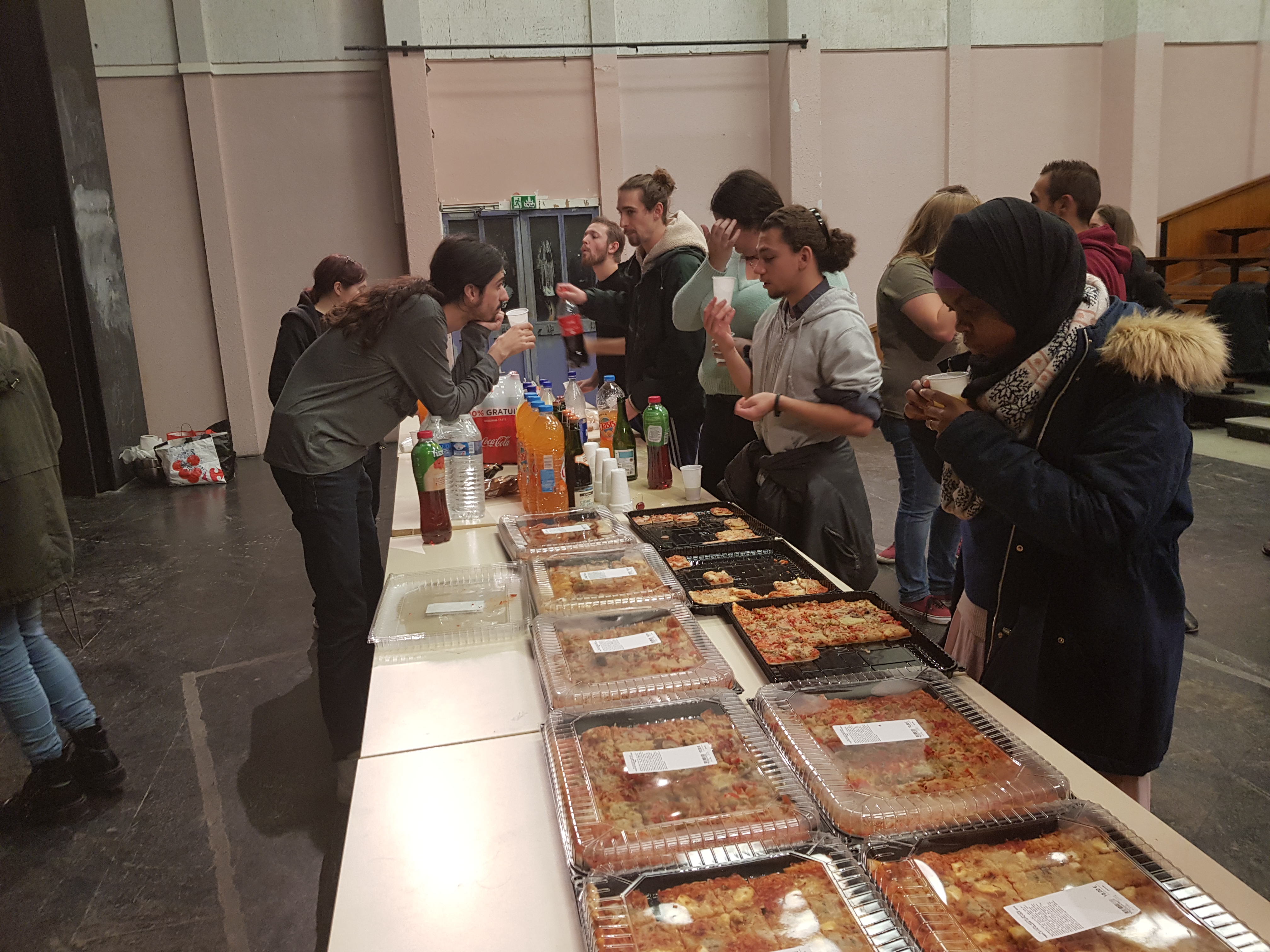
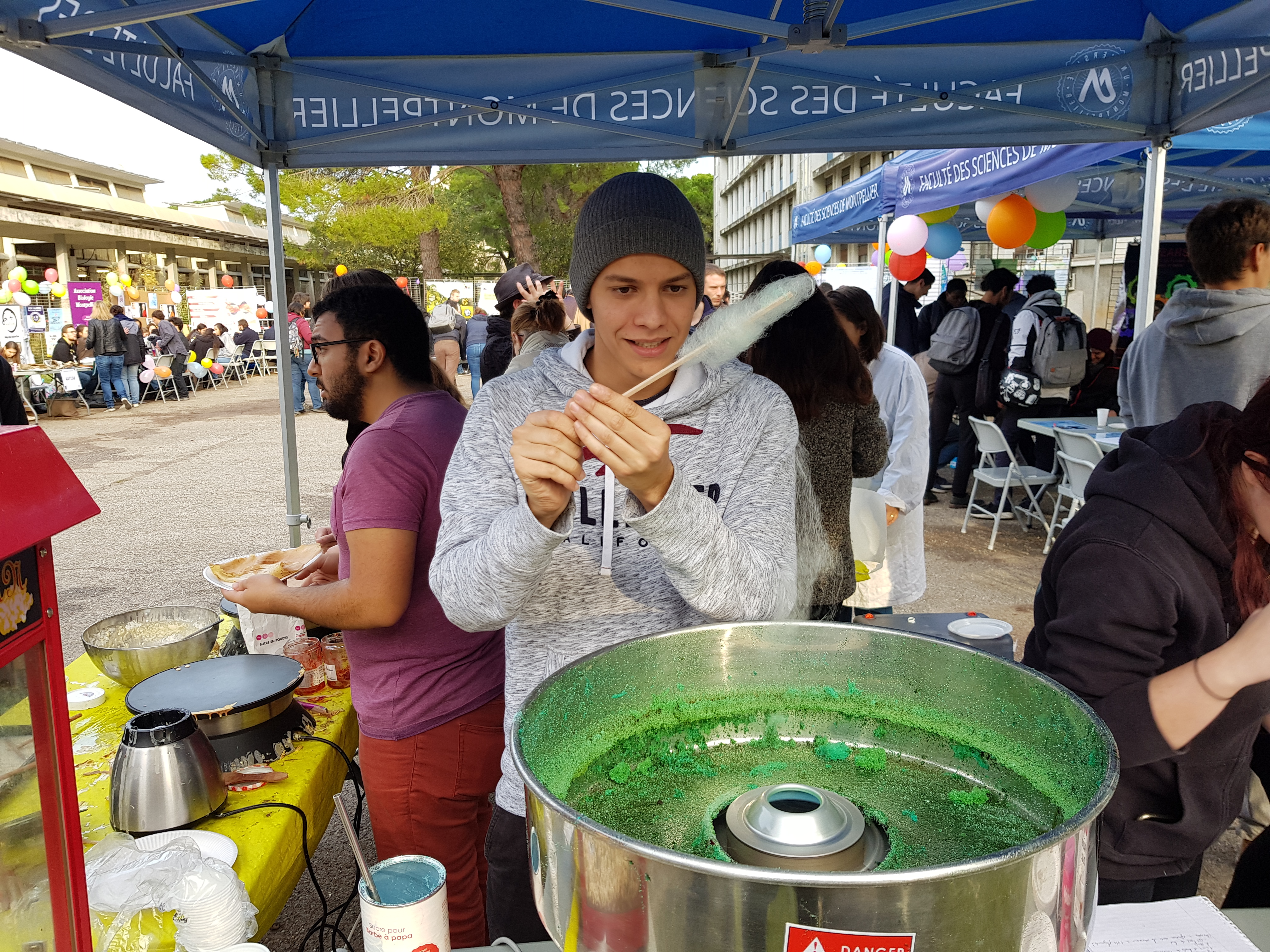
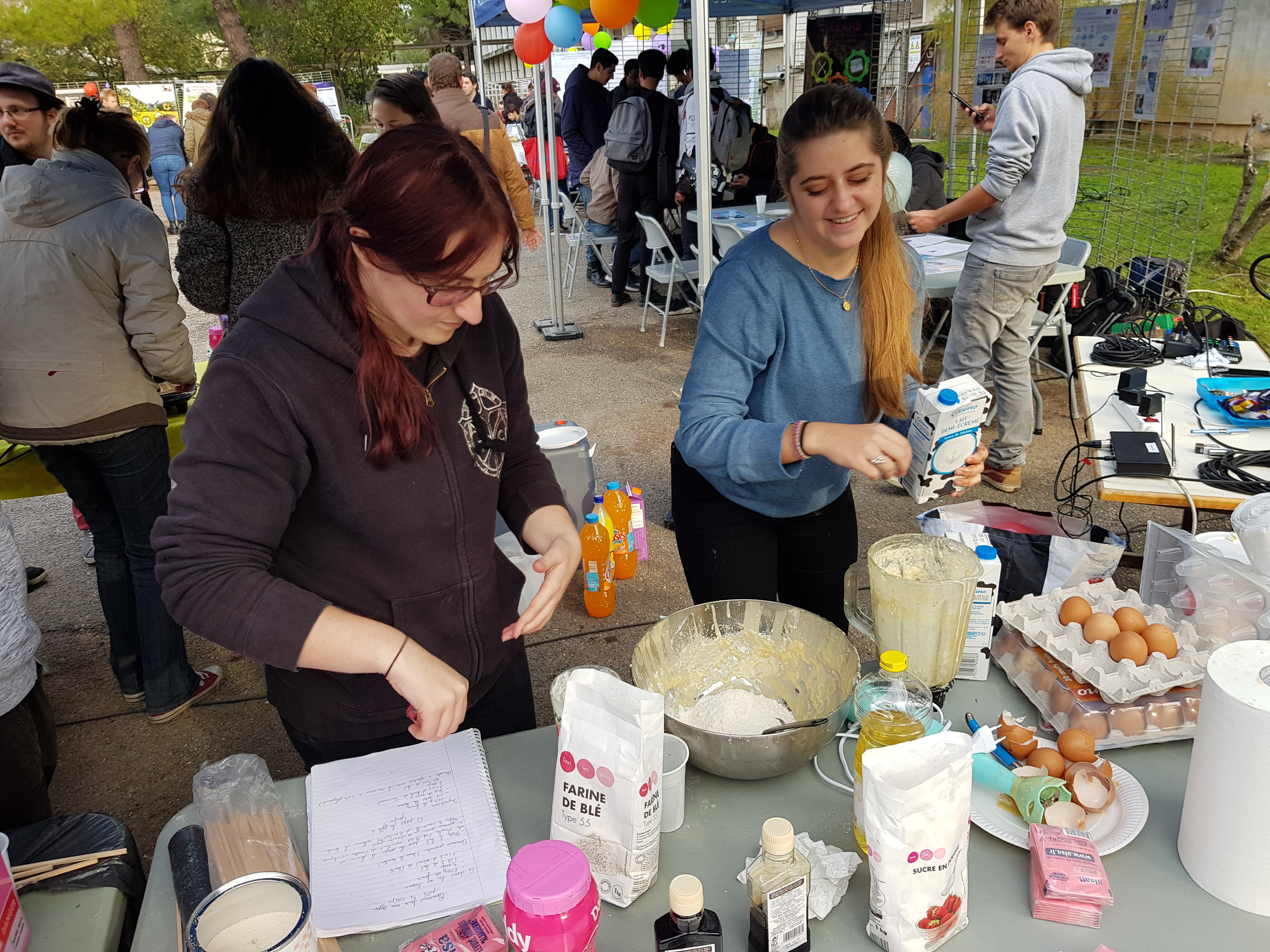
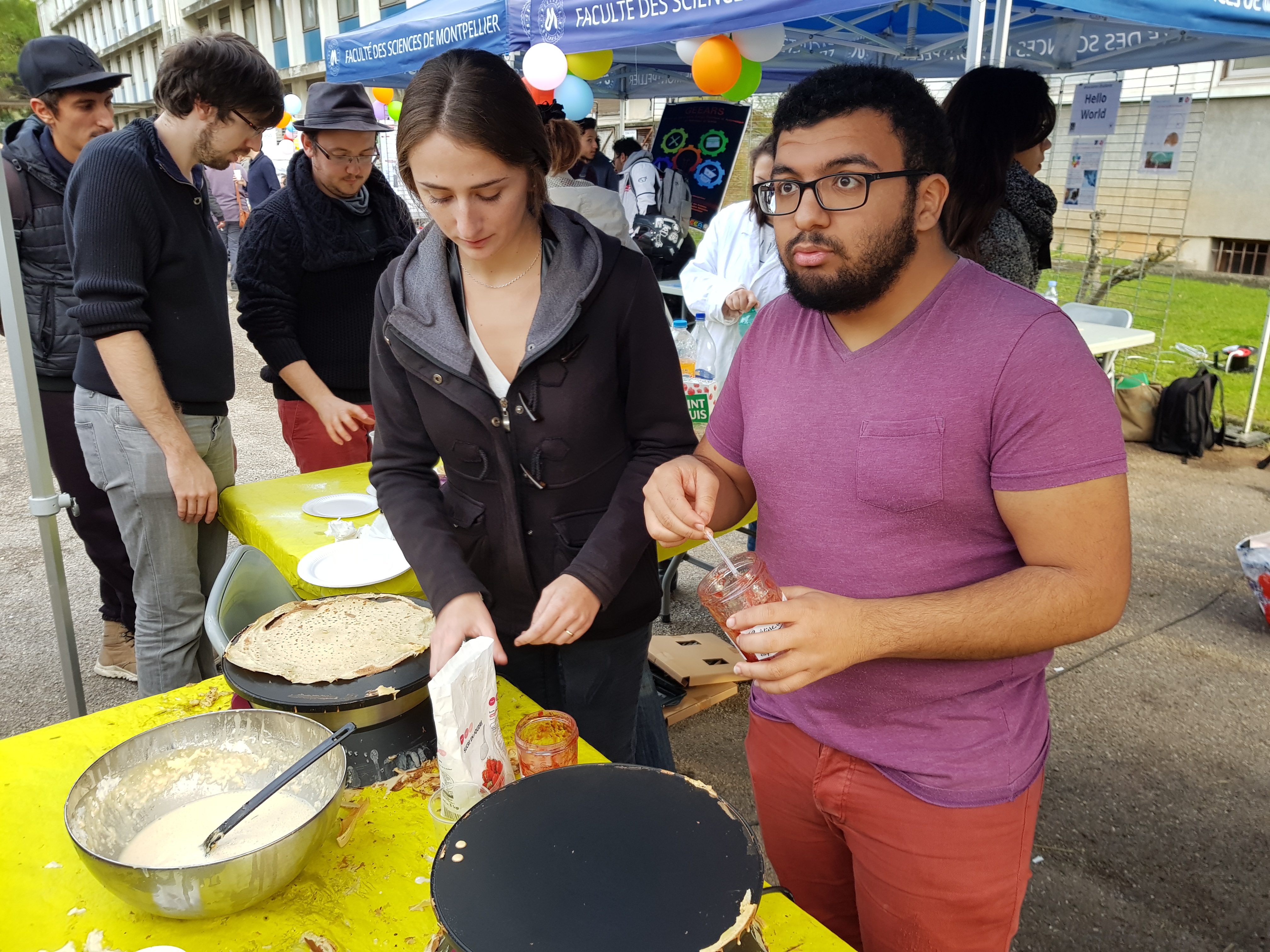
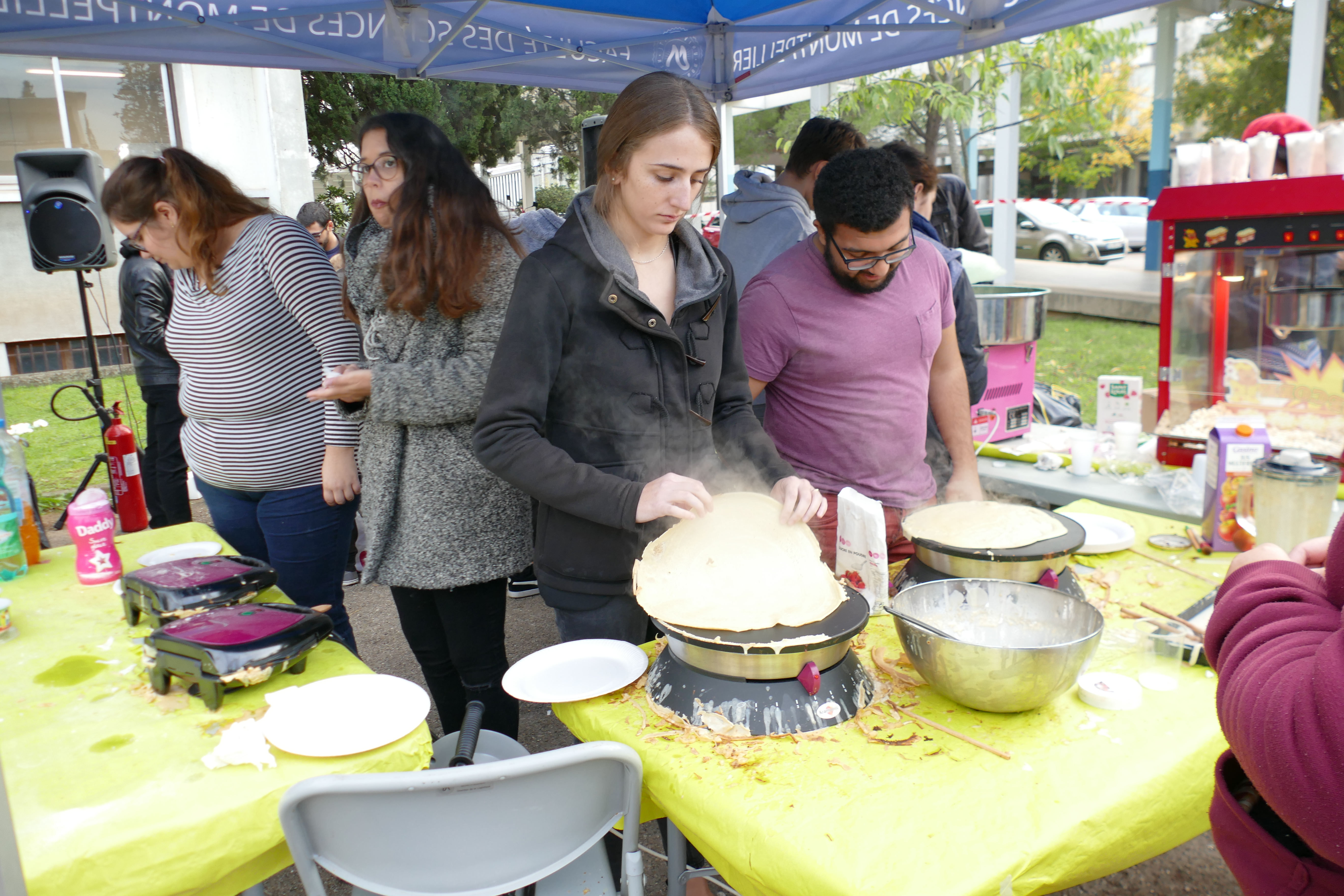
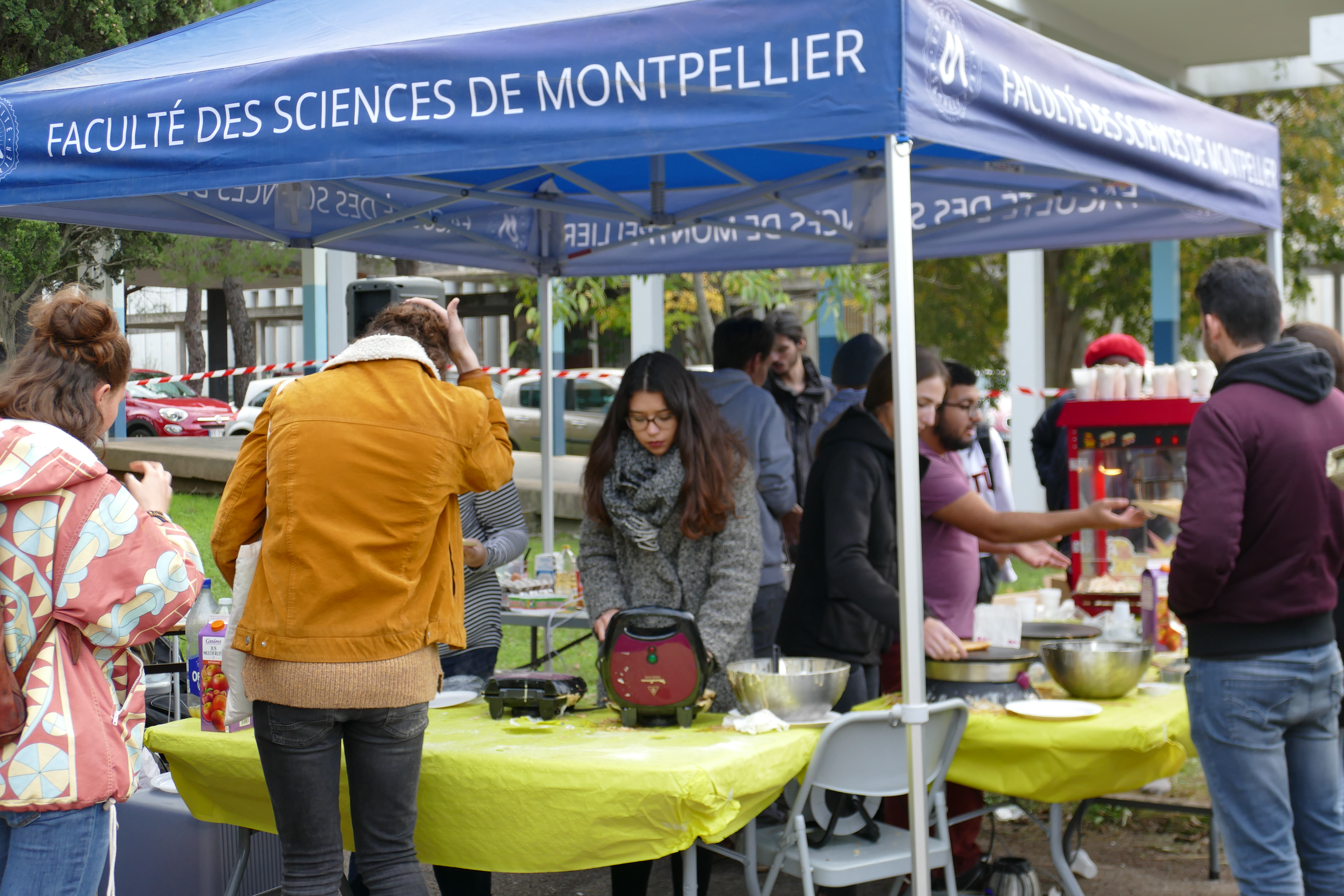
Croque-monsieurs, crepes, waffles, treats, and cocktails (6 p.m.) will be provided by the Faculty of Sciences and its student organizations
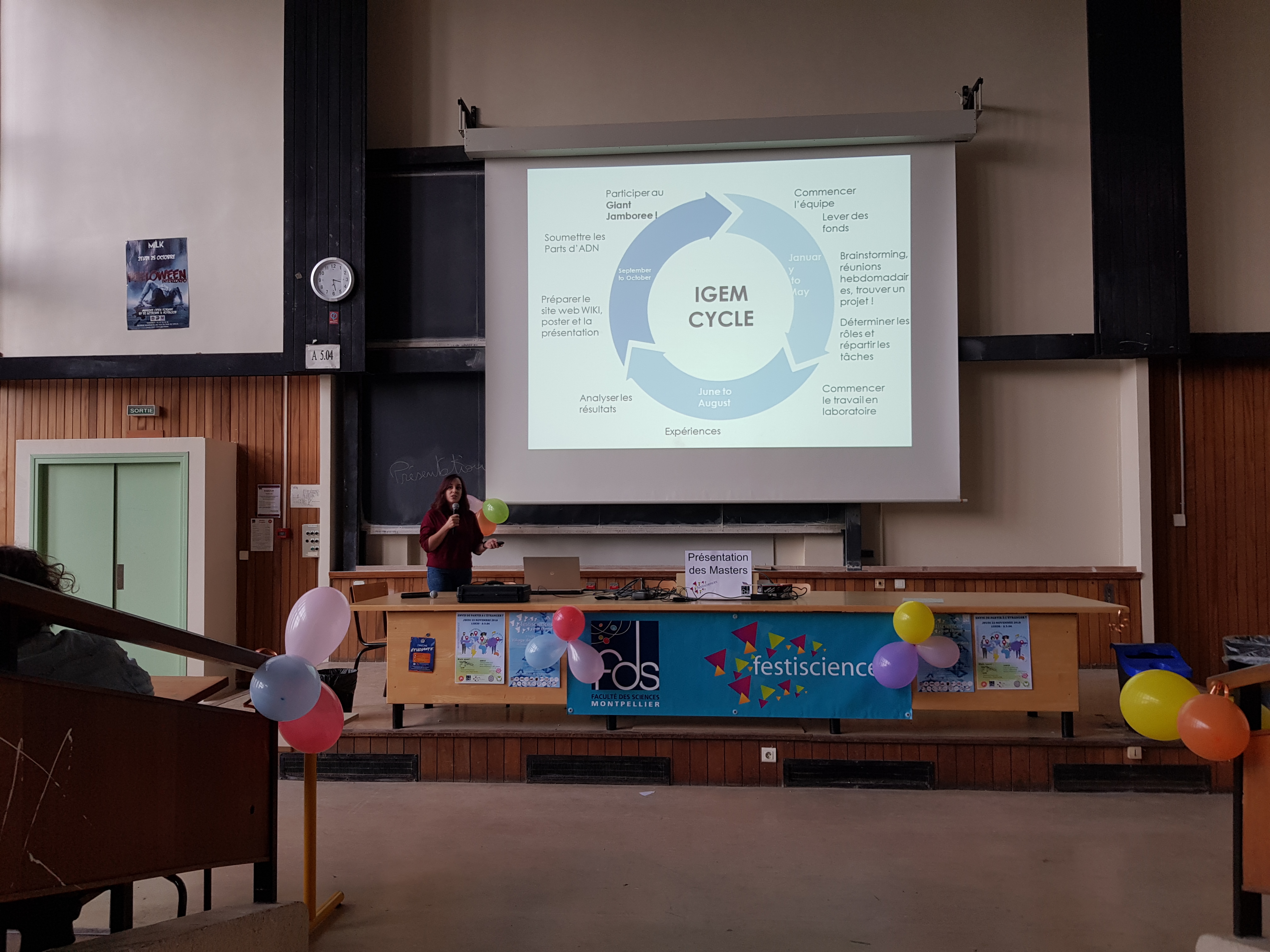
11:30 a.m. – 3:00 p.m.: Presentation of the master’s programs offered by the Faculty of Sciences (A 5.04 – A 5.05)


1:30 p.m. – 3:30 p.m.: Meeting with the Master's program directors

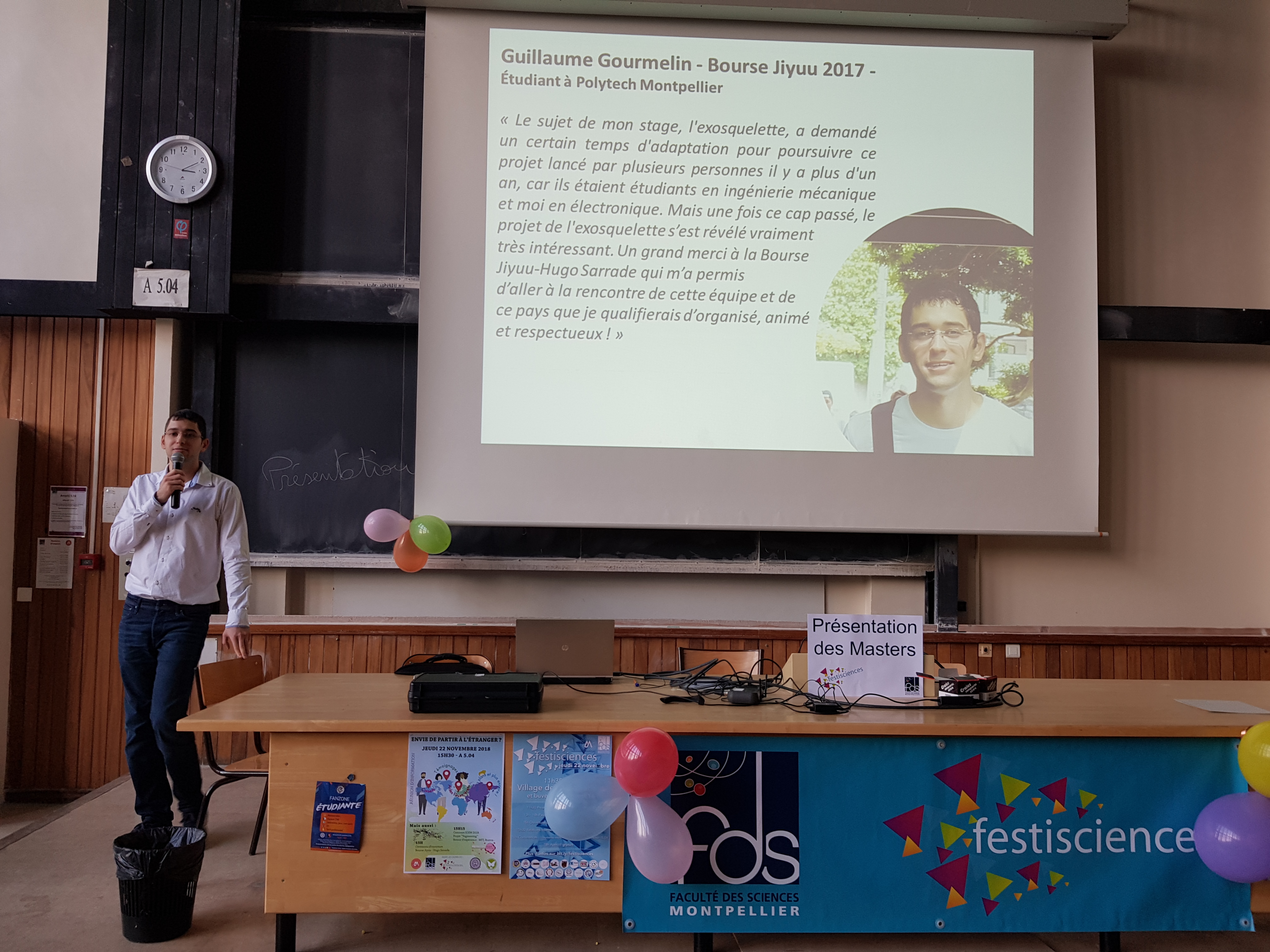
3:00 p.m. – 3:15 p.m.: Opening ceremony for the Hugo Sarrade Scholarship – (A 5-04)
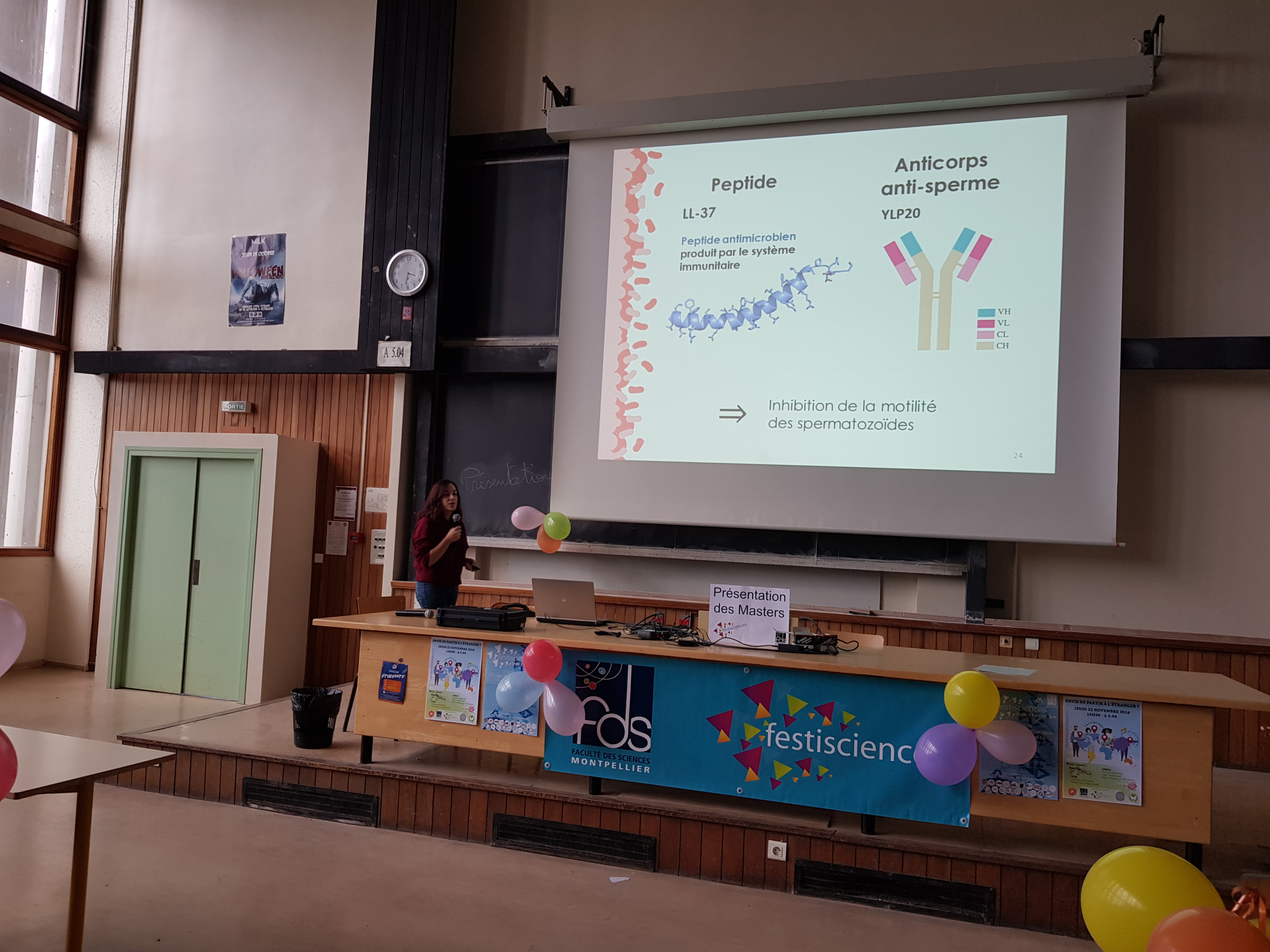
3:15 p.m. – 3:30 p.m.: Feedback on the Vagineering Project (A 5.04)
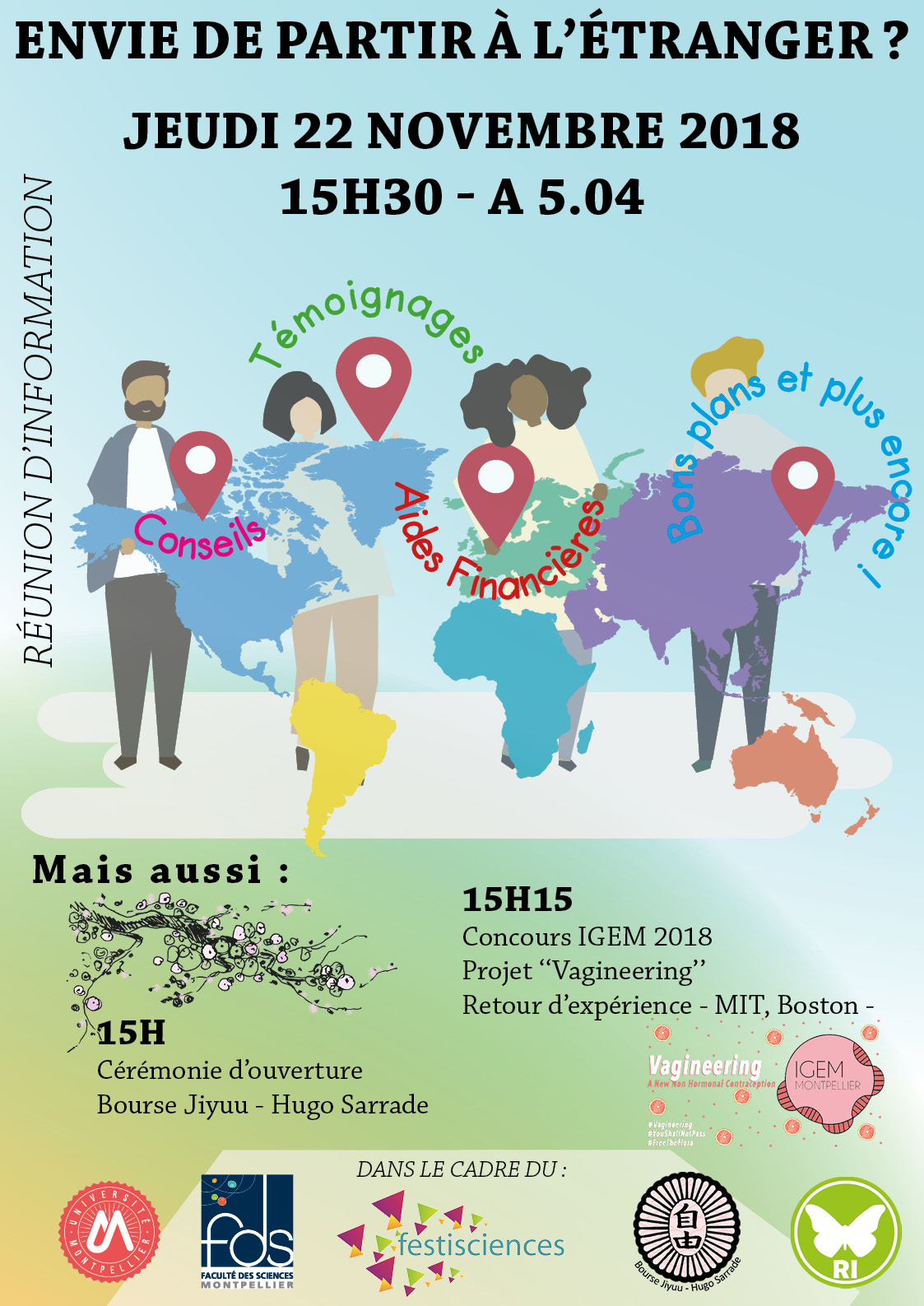
3:30 p.m. – 5:00 p.m.: International Relations – Information Session: “Want to Study Abroad?” – (A 5-04)
5:00 p.m. – 6:00 p.m.: 2 presentations (A5.04)
 => How to Reconstruct the Past History of an Ecosystem: Examples from Two Theses in Paleoecology
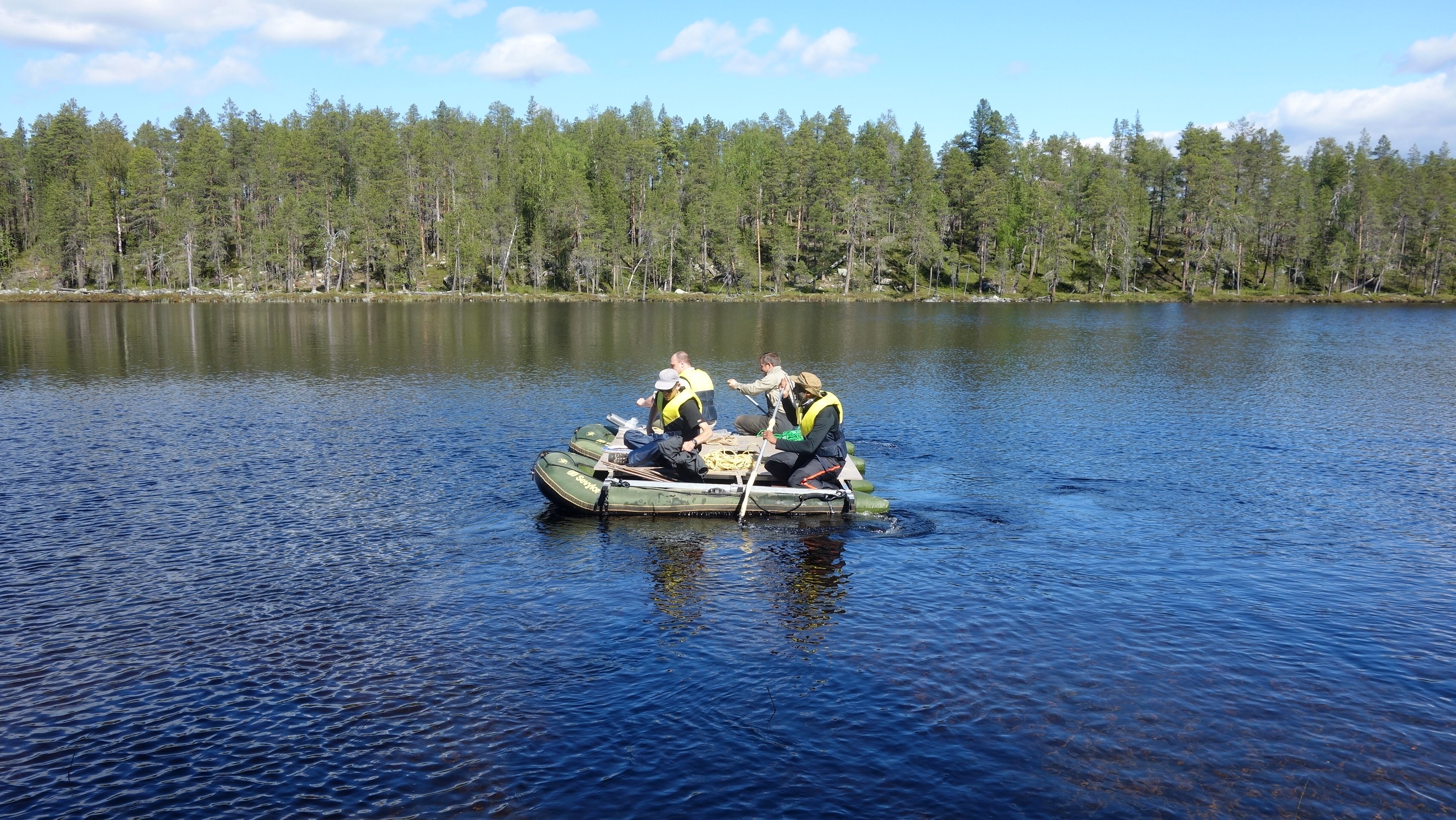
How can we trace the ecological and climatic changes in an ecosystem over time? Chéïma Barhoumi and Gwenaël Magne, two doctoral students at the Montpellier Institute of Evolutionary Sciences (ISEM), will discuss their backgrounds and research. Both are interested in boreal forests and how they may have been influenced by wildfire dynamics and climate change. By analyzing charcoal, pollen, and fossilized insects preserved in lake sediments, they are able to trace this history over the past 10,000 years.
=>Understanding and Designing the Apartment of the Future for the Resident of the Future
Scientific research within the HUT (HUmans at home projecT) project is unique because it focuses on a single theme—truly human smart homes—while bringing together multiple disciplines (ICT, social sciences and humanities, health, etc.). HUT explores the conditions for well-being in the homes of the future: What is possible, acceptable, and desirable? All of HUT’s scientific disciplines collaborate to study behavior in a real-life living environment—a permanently occupied apartment equipped with numerous sensors and powerful data analysis tools. The research conducted within HUT respects the residents’ privacy by adhering to protocols approved by an independent ethics committee and organized within a strict ethical framework.
6:00 p.m. – 8:00 p.m.: Cocktails hosted by the FdS
Check out the photos from the 2017 event